
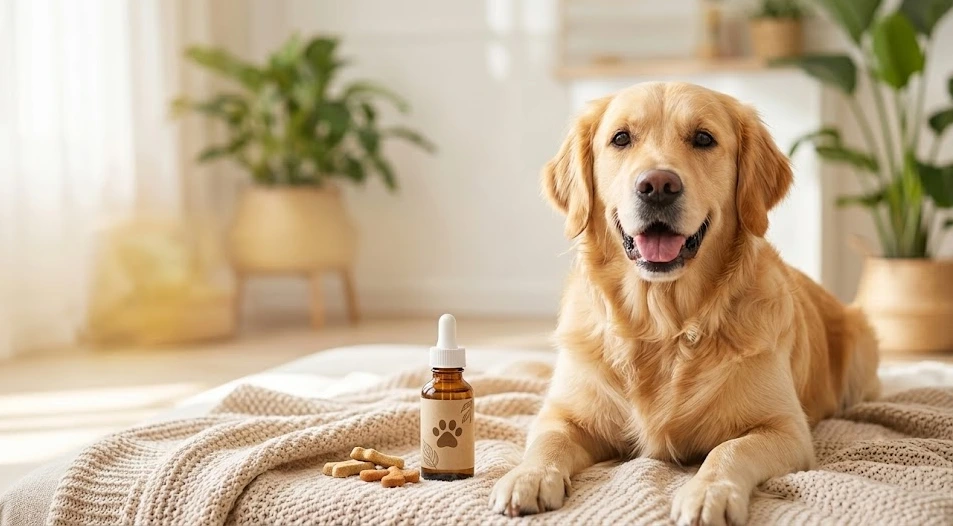
Introduction
Pet dispensary shelves look very different to how they did a few years ago. CBD products have taken over a significant chunk of that space, and the dog owners buying them are not first-timers trying something out once. They keep coming back. Some have a dog that falls apart at the first sign of a thunderstorm.
Others have watched an older dog slow down and struggle to get comfortable after a nap. Whatever the situation is for you, the product options have multiplied fast and sorting through them takes more effort than it should. This guide does that work for you.
Key Takeaways
- CBD connects with the same biological system in dogs that it does in humans, and the early research is pointing toward real benefits for anxiety, joint comfort, and daily balance.
- Chews are easy to build into a daily routine and work well when you can plan ahead, while tinctures are the better tool when you need to be precise about the dose.
- Third-party lab results, a clear milligram dose per piece or per millilitre, and a short ingredient list are the three things you need to confirm before buying anything.
- Under-dose to start, watch your dog closely for the first week, and make changes based on what you actually see.
Why Pet Owners Are Choosing CBD Products
Some dogs are just hard work. The kind that hears a smoke alarm two streets away and loses the plot entirely. Others age into stiffness and discomfort, and watching that happen when there is not much you can do is rough. Owners are not reaching for CBD because it is trendy. They are reaching for it because it fits into daily life without much friction. The reasons come up again and again:
- No prescription needed. You can build it into a routine without booking a vet appointment first.
- Pre-measured and simple. Chews and droppers take the guesswork out of dosing.
- Hemp-derived and non-psychoactive. Your dog does not get high, and the plant source is one most owners are comfortable with.
- Flexible across situations. The same category covers daily wellness, situational anxiety, and ongoing joint support.
Pet CBD has become one of the fastest-growing supplement categories on the market, and data from the American Pet Products Association backs that up year after year. In a 2024 APPA survey, 59% of dog owners said they were open to using CBD products for their pets, up sharply from 22% in earlier surveys. What that tells you is not that every product is worth buying. It tells you that a lot of owners are getting enough out of it to justify buying it again.
How CBD May Help Your Dog
CBD, or cannabidiol, comes from the hemp plant and contains no THC. Your dog will not get high from a properly formulated pet product. What CBD does is work on the endocannabinoid system, a regulatory network that dogs and humans both have. It helps manage:
- Mood and stress response
- Pain signalling
- Sleep and rest cycles
- Immune response
The studies focused on dogs are still coming through, but the ones that have been published are worth knowing about:
- Anxiety and stress. A 2023 WALTHAM-funded trial published in Frontiers in Veterinary Science tested a single dose of CBD on dogs going through separation and car travel, and the treatment produced a significant reduction in canine stress compared to the placebo group.
- Joint comfort and mobility. Researchers at Cornell University’s College of Veterinary Medicine gave dogs with osteoarthritis 2 mg/kg of CBD oil twice daily for four weeks, and canine brief pain inventory and Hudson activity scores showed a significant decrease in pain and increase in activity, with veterinary assessment confirming reduced pain during CBD treatment. Overall, more than 80% of the dogs with osteoarthritis in the study experienced a decrease in pain, allowing them to be more comfortable and active.
Anxious dogs and older dogs dealing with physical discomfort are where owners tend to see the clearest results. That said, CBD is a supplement. If your dog is dealing with something that has been diagnosed, loop in your vet before you add anything new.
Types of CBD Products for Dogs
Chews and tinctures are the two formats that cover most of the market. They work differently, hit the bloodstream at different speeds, and suit different dogs.
CBD Dog Chews and Treats
The reason chews outsell everything else in the pet CBD space is not complicated. Your dog thinks it is getting a snack. As far as your dog is concerned, that is exactly right. For you, it is a pre-measured CBD dose that requires no dropper, no mixing, and no negotiating with a syringe.
Going through the digestive system slows things down, so expect 45 minutes to an hour before anything kicks in. For daily use or situations you can see coming, that window is easy to work around. Before you buy any chew, confirm these things on the label.
- CBD milligrams per piece, stated clearly and specifically.
- Hemp-derived CBD and zero THC confirmed.
- An ingredient list short enough to read in under a minute.
- Third-party lab results linked or printed on the packaging.
CBD Oils and Tinctures
When you need to get the dose right, a tincture is the tool for it. Placed under the tongue, it absorbs through the sublingual mucosa and can show an effect in 20 to 30 minutes, which is considerably faster than anything that has to travel through digestion. You can also go up or down a few drops based on what you are seeing, which matters a lot for smaller dogs or for anything that needs more careful monitoring over time.
Dogs that refuse treats in every format will usually take a tincture mixed into their regular food without question. Before buying, check these things.
- Total milligrams in the bottle and milligrams per millilitre.
- A carrier oil that is safe for dogs like coconut or hemp seed oil.
- Nothing from the ASPCA toxic plants and substances list in the ingredients, including xylitol and tea tree oil.
- An independent certificate of analysis showing actual CBD content and confirmed zero THC.
Top CBD Products for Dogs (2026)
Bleuleaf Dispensary keeps a focused range of pet CBD from two brands rather than stocking everything on the market. Here is what each product actually offers and which dogs it is likely to suit.
Salmon is the flavor that sells itself with dogs who already lose their mind when you open a can of tuna or a bag of fish treats. Each chew carries a pre-set CBD dose, so there is no measuring drops over a bowl or second-guessing whether you got it right.
They slot into a morning or evening routine without any effort, and most dogs assume they are getting a reward rather than a supplement. That is exactly the reason they stick long enough for you to see whether CBD is actually doing something for your dog.
Best for:
- Dogs who prefer fish-based flavors and turn down red meat options.
- Owners building a steady daily wellness routine without fuss.
- Anyone who wants a clean fixed dose that goes down easily.
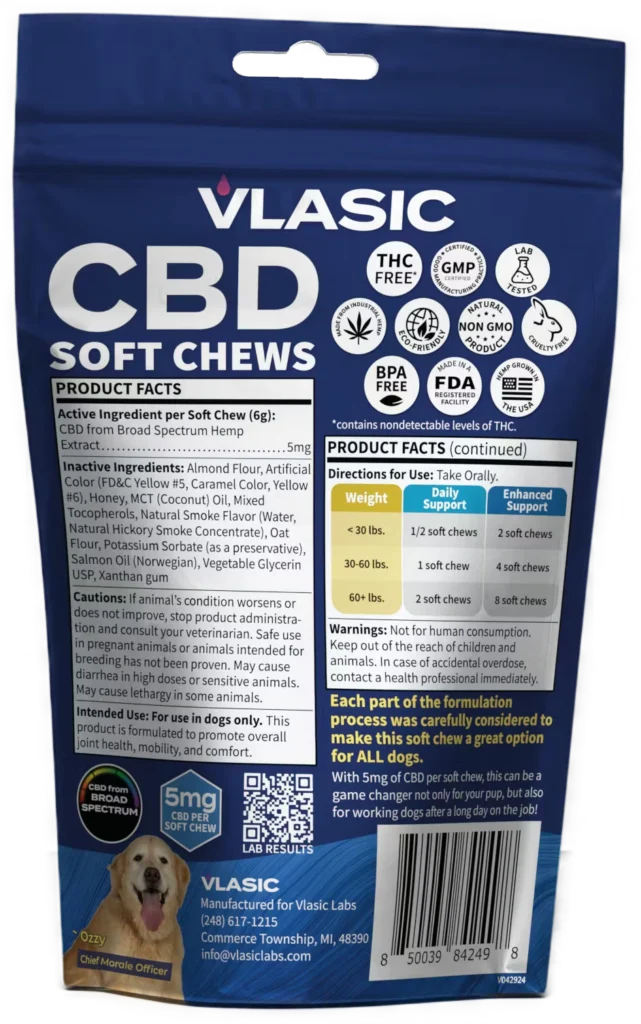
Beef is the flavor for dogs that walk past fish treats and go straight for whatever smells like dinner. It is the same clean formula as the salmon version, just in a profile your dog reads as food instead of a snack.
The fixed dose makes it easy to plan around, which matters when you know a thunderstorm is coming or a vet visit is on the calendar for tomorrow. Give one the night before a stressful event and you are starting from a calmer baseline rather than scrambling in the moment.
Best for:
- Dogs who favor beef over fish and skip past seafood flavors.
- Owners who want a chew they can use situationally before known stressors.
- Households looking for a meat-forward daily option with a predictable dose.
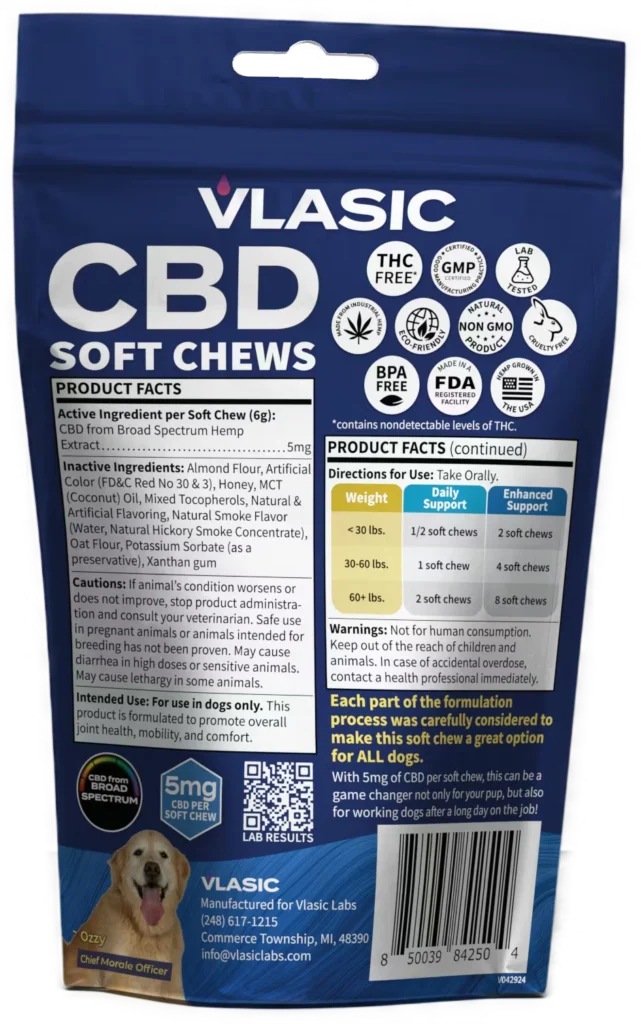
Bacon is for the dog that has sniffed every other treat in your hand and walked away. If you have already lost money on supplements your dog refused to eat, this is the flavor that tends to break the pattern.
The CBD formula is identical to the salmon and beef versions, so you are not trading quality for acceptance. It is usually the safest starting point when you genuinely have no idea what your dog will take.
Best for:
- Picky dogs who have turned down other supplement formats.
- Owners who have already tried and failed with other CBD products.
- First-time CBD buyers who want the best odds of their dog actually eating it.

This is the option for dogs whose needs are bigger than a single chew can handle. A 40kg Lab dealing with stiff mornings or an anxious rescue that barely reacts to lower doses sits outside what a pre-portioned product can deliver.
The dropper lets you move the dose up or back a few drops at a time as you learn what actually works for your dog. Most owners mix it into food at dinner and the dog never notices it is there.
Best for:
- Medium to large dogs that need a stronger dose than chews can deliver.
- Dogs managing ongoing joint pain or persistent anxiety.
- Owners who want the flexibility to adjust the dose precisely week to week.
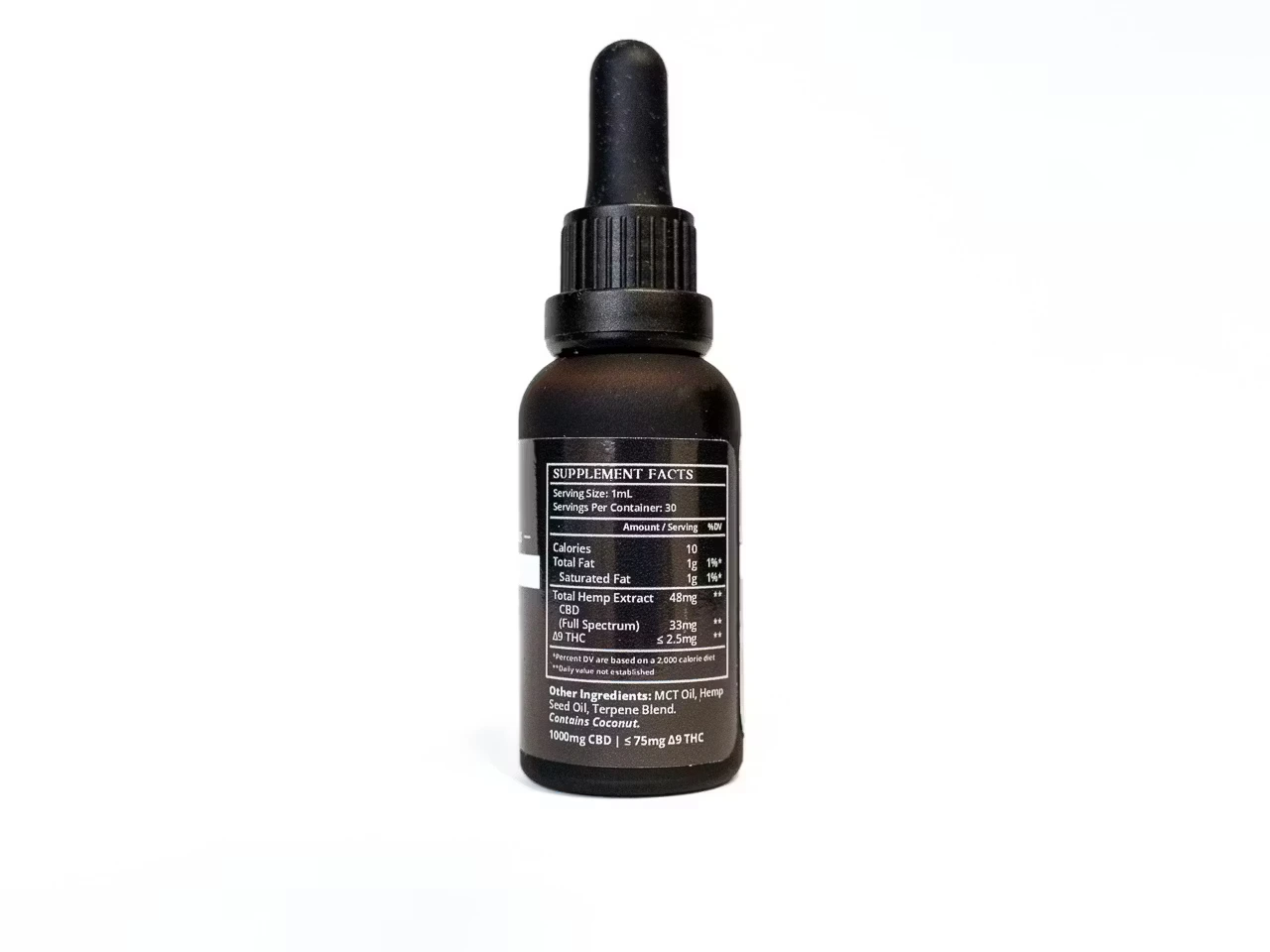
Ten milligrams per treat, sixteen treats in the pack, dose printed right on the label. There is no maths to do, no dropper to clean, and no guessing about what your dog is getting.
That makes this a sensible starting point for a smaller dog or for anyone who has never used CBD before and wants to see how their dog handles a modest, steady amount first. You can always move up to something stronger once you have a clearer read on what your dog actually needs.
Best for:
- Smaller dogs who need a lower, steadier dose.
- First-time CBD users who want to start simple before scaling up.
- Owners looking for a clear daily treat with zero guesswork.
How to Choose the Right CBD Product for Your Dog
Dog Size and Weight
Veterinary guidance on CBD dosing comes back to body weight every time. The starting range most vets reference is somewhere around 1 to 2mg per kilogram. A 10mg treat that noticeably calms a small dog will not register much in a 30kg breed.
Here is a quick reference to match dose range, product format, and dog size:
| Dog Weight | Starting Dose (1–2 mg/kg) | Best Format | Why |
|---|---|---|---|
| Small (under 10 kg) | 10–20 mg | Fixed-dose treats or chews | Simple, consistent, no measuring needed |
| Medium (10–25 kg) | 10–50 mg | Chews for daily use, tincture for flexibility | Either works, depends on how precise you want to be |
| Large (25–40 kg) | 25–80 mg | Tincture (1000mg strength) | Gives you room to adjust without stacking multiple chews |
| Extra large (40 kg+) | 40 mg+ | Tincture (1000mg strength) | Flexibility to dose higher without handing over four or five chews at a time |
A few quick rules of thumb on top of the table:
- Start at the lower end of the range for the first week, then adjust based on what you actually see.
- Smaller dogs do well with fixed-dose treats where nothing needs calculating.
- Larger dogs need the flexibility of a tincture because their dose sits outside what most single chews deliver.
Flavor
It sounds obvious until you are standing in a dispensary second-guessing yourself. Salmon, beef, and bacon cover most preferences. When you genuinely have no read on what your dog will go for, bacon is the safest place to start. Most dogs that resist treats entirely will accept a tincture in their food without blinking, so that option is always there.
Strength and Dosage
A lot of people look at the milligram number on a tincture bottle and assume that is what each dose delivers. It is the total amount across the whole bottle. Find the milligrams per millilitre figure to know what each dropper actually gives your dog. On chews, the per-piece amount should be printed clearly. If you are just starting out, pick a lower-strength product and give yourself room to move up rather than starting high and trying to walk it back.
How to Use CBD Products Safely
Using CBD doesn’t have to be complicated, but it does require a bit of care and consistency. Taking a simple, thoughtful approach will help you see what works best for your dog.
Start lower than the label suggests. The dose range on the packaging is built around weight averages, not your specific dog. Drop below the recommended starting point for the first few days and watch what happens before you commit to the full amount.
Watch for specific changes, not general feelings. Is your dog settling faster than they used to? Getting off the floor in the morning without that stiff pause they had before? Reacting less to the things that normally set them off? These are the signals that tell you something is working. Heavy drowsiness, a drop in appetite, or loose stools point to the dose being too high. Pull it back and watch again before you make any further changes.
Treat it like any daily supplement. Same time each day, same dose, no skipping and doubling up the next day. CBD builds in your dog’s system with regular use. Give it two to four weeks of consistent daily use before you form any opinion on whether it is helping. Most owners who write it off did not give it long enough to actually show anything.
Common Mistakes to Avoid
Most problems with CBD come down to small mistakes that are easy to avoid. Knowing what to watch out for can make a big difference in keeping your dog safe and getting the best results.
- Using a human CBD product on your dog. Human formulas regularly include xylitol, essential oils, or THC concentrations that cause real harm to dogs. Only use products made specifically for pets.
- Taking the label at face value without checking the COA. Product quality across the CBD market is inconsistent. A certificate of analysis from an independent lab is what actually tells you the product contains what it claims and that THC is within safe limits. No COA means no way to verify any of it.
- Stopping too early. Research suggests that some anxiety effects show up within the first week of stopping the product. Joint and mobility changes take longer, sometimes several weeks of consistent daily use before you notice anything meaningful. Give it a proper run before you decide it is not working.
Are CBD Products Safe for Dogs?
Most dogs handle hemp-derived CBD at sensible doses without any real problems. When side effects do come up in the research, they tend to be mild and directly tied to the dose being too high, usually some temporary drowsiness or a bit of digestive change that settles once the amount is adjusted.
What Research and Experts Suggest
The American Veterinary Medical Association is on record supporting ongoing CBD research for pets and has acknowledged the growing interest from vets in clinical settings. The Cornell study followed dogs over four weeks and found CBD well tolerated overall, though it flagged one thing worth noting: some dogs showed elevated alkaline phosphatase levels in blood work at higher doses. If your dog is going to be on CBD daily for an extended period, building in a routine vet check every few months is a reasonable precaution.
What Research and Experts Suggest
CBD can change how the liver breaks down certain medications through the cytochrome P450 enzyme pathway. If your dog takes anything regularly, have that conversation with your vet before you start CBD. The same applies for dogs with known liver issues, pregnant or nursing dogs, and any dog that has symptoms which have not been assessed yet. A vet who knows your dog’s full picture is in a much better position to help you set a dose and tell you what to keep an eye on.
Final Thoughts
A lot of dog owners have found CBD genuinely useful for managing their pet’s anxiety, joint discomfort, and day-to-day wellbeing. The research is still building, but what exists gives you enough to work with. Which product suits your dog comes down to their weight, what format they will actually accept, and what you are trying to address.
Go in lower than you think you need to, keep it consistent, and let your dog tell you how it is going over the first few weeks. The range at Bleuleaf covers the key formats across different needs. When anything is unclear, your vet is always the first call worth making.
Frequently Asked Questions
Can all dogs take CBD products?
Healthy adult dogs generally do fine with hemp-derived CBD. Any dog on regular medication, with a known liver condition, or that is pregnant or nursing should be cleared by a vet before you start. Very young puppies are not recommended without specific vet guidance.
How long does CBD take to work in dogs?
Tinctures applied under the tongue can take effect in 20 to 30 minutes. Chews and treats go through digestion first so they usually take 45 minutes to an hour. For joint support or ongoing anxiety, consistent daily use over a few weeks gives you a proper picture.
Will CBD make my dog sleepy?
At the right dose it should produce calm without heavy sedation. If your dog seems unusually flat or disengaged, the amount is too high. Pulling it back a notch usually sorts that within a day.
Can I give CBD to my dog every day?
Yes. These products are designed for daily use, and consistency is what produces reliable results over time, especially for anxiety or ongoing physical discomfort.
What is better for dogs, treats or oil?
Treats are simpler and most dogs take them happily. Oils give you more control over the exact dose. A lot of owners start with treats and move to a tincture once they have a clearer read on what their dog needs.
How should I store CBD dog products?
Keep chews in a cool, dry spot away from sunlight. Tinctures should be stored upright with the lid tight and away from heat. Check the individual label for anything specific to that product.
How do I know if the CBD is working?
Look for actual behavioral shifts rather than a general sense of things being better. Calmer reactions to triggers, settling faster at night, and moving around more freely in the morning are the concrete signs worth tracking. Brief notes for the first few weeks give you something real to compare against as time goes on.