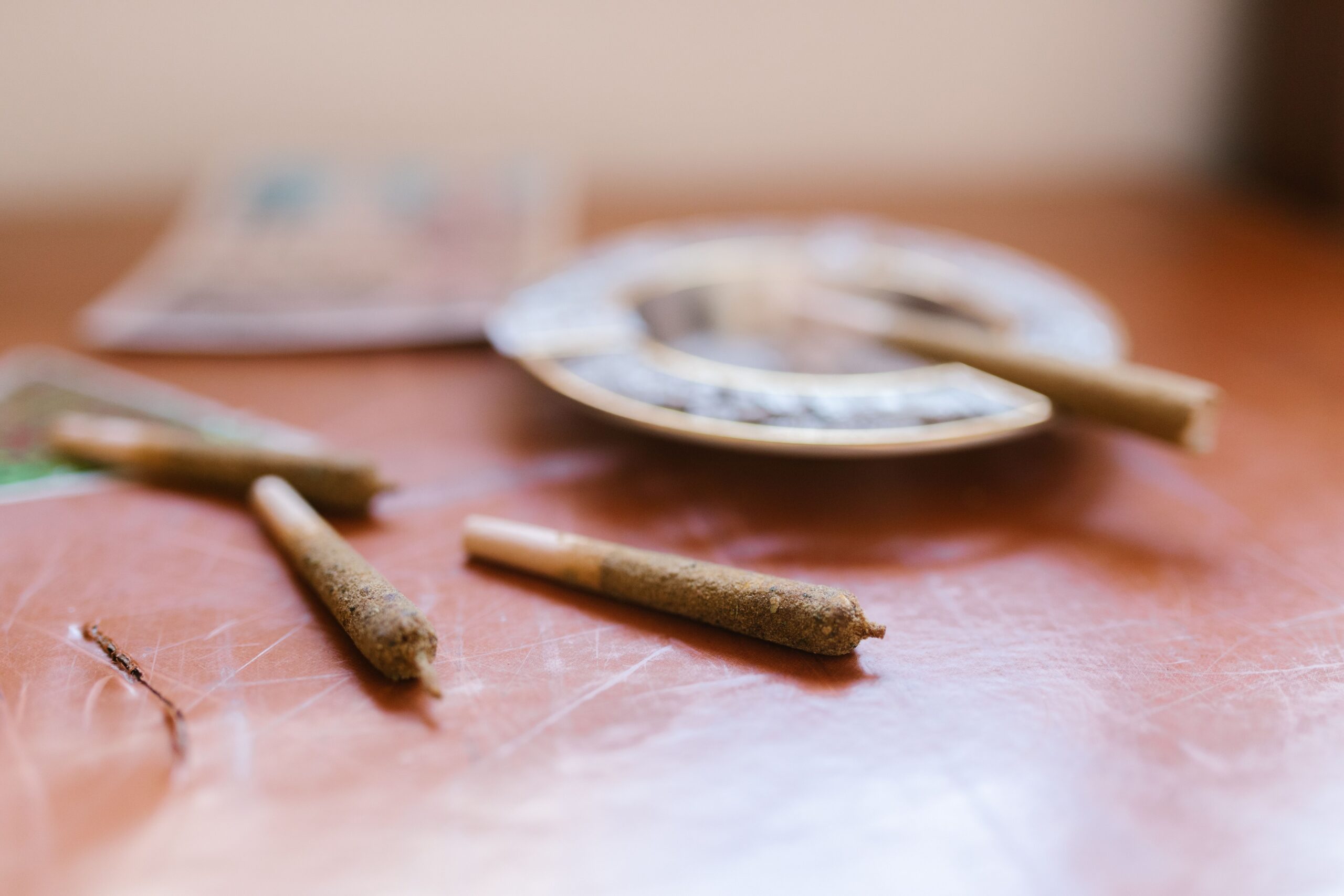
You’re on your phone comparing vape options near Jerome Avenue, perhaps while waiting for the train or heading home. One seller has a cheap cart ready right away. A licensed dispensary has regulated products that may seem more premium. On a map, both options can look equally convenient. They do not, however, come with the same level of information.State-mandated lab testing does not make vaping risk-free or guarantee a health outcome. What it provides is something a polished box, normal-looking oil, or low price cannot: a way to check who made the product, which batch it came from, and whether the cartridge was tested.
Among dispensaries in the Bronx, Bleu Leaf Dispensary on Jerome Avenue offers carts sold through New York’s licensed system. The system generates a traceable pathway that links the package to the manufacturer, batch documentation, laboratory findings, and the retailer. This is important because the cartridge contains the oil and the components that store and heat it. Appearance alone cannot confirm what the oil contains or how the finished cartridge was evaluated.
Key Takeaways
- While state testing doesn't eliminate the risks associated with vaping, it does identify actual contaminants and links the findings to a verifiable batch.
- We've got two separate things to check here: the oil and the hardware. Each one needs its own review.
- To validate “tested” claims, New York independently analyzes bulk oil and finished cartridges for heavy metals.
- Ceramic is part of the hardware's specifications. This does not guarantee that a cart is free from contaminants or safer than a metal cart.
- Check the package against the batch report first, and hang onto both the package and your receipt for returns or recalls.
What’s Really Inside Unlicensed Corner Shop Vapes?
Professional branding, polished interiors, and an online map listing do not prove that a cannabis store is licensed. Gothamist reported in 2024 that shady cannabis shops in New York imitate the features that can make them appear legitimate.
Many of the problems associated with unlicensed vape carts involve the same stages New York’s production and testing requirements are designed to monitor: from cultivation and extraction to formulation and manufacturing, long before the oil reaches the cartridge.
Nasty Chemicals That Burn Your Throat
A harsh or chemical taste can signal that you should stop using a cart, but your throat cannot tell you what caused the sensation. Pesticide residues, leftover extraction solvents, product formulation, and excessive heat can all contribute to irritation.
-
Excessive heat can create throat irritants. When THC oil and terpenes are heated at higher temperatures, they can break down into compounds such as formaldehyde, acetaldehyde, and acrolein. Formaldehyde and acrolein irritate the throat and respiratory tract, helping explain the sharp taste, burning sensation, or cough associated with an overheated aerosol.
-
Pesticides have been detected in some illicit finished vape oils. Findings show that agricultural residues can persist into finished vape oil when cultivation and processing controls fail.
- Poor extraction control can leave solvents behind. Solvents are used to separate cannabinoids from plant material, but the finished oil must be processed so excessive residues do not remain. Regulated cannabis in New York has to be tested for solvents and pesticides before it reaches the shelves.
Fake Thickeners and Lung Irritants
Undeclared diluents have been found in some illicit cannabis vaping fluids, where they may increase volume or alter the oil’s consistency. Ingredients including vitamin E acetate, MCT oil, polyethylene glycol, and castor oil were identified in unauthorized vape fluids during a New York State investigation.
-
Investigators then found vitamin E acetate inside injured lungs. A separate national study detected it in lung-fluid samples from e-cigarette or vaping product use–associated lung injury (EVALI) patients. In contrast, it was not detected in samples from healthy participants. This evidence supported the CDC's conclusion that vitamin E acetate was strongly linked to the EVALI outbreak.
-
Inhalation changes the risk. Vitamin E acetate may be suitable for certain foods, supplements, or skin products, but that does not establish that it is safe to heat and breathe into the lungs.
- Scientists have identified a possible route for lung damage. Research suggests that breathing in vitamin E acetate can disrupt the surfactant in your lungs, which helps keep those little air sacs open, and might cause inflammation and harm.
Why the Metal Component in Cheap Vapes Matters?
When you take a pull from a vape cart, you are not drawing directly from a container of THC oil. A vape cartridge does three jobs at once: the reservoir stores the oil, the heating core warms it, and the central airway carries the aerosol to the mouthpiece. Every time you pull, the device draws oil toward the heater and sends the resulting aerosol through that internal path.
How Low-Grade Metal Leaks into Oil
Cannabis oil may sits inside a cartridge for days or weeks, remaining in contact with the materials that store and heat it. Cracking, corrosion, or manufacturing debris can create a route for material from the hardware to enter the oil.
Metal components inside a cartridge can release particles into cannabis vape oil and the aerosol it produces. A 2021 study detected chromium, copper, and nickel, along with smaller amounts of lead, manganese, and tin. Comparisons with non-cartridge heating methods pointed to the cartridge hardware as a source of some of those metals.
The quality of the heating wire, connector pins, and other internal parts therefore matters as much as the oil itself. A 2025 study added another warning sign: researchers found cracking on an unused connector pin. This suggests that damage to the hardware and the chance of metal coming off might even start during manufacturing or storage.
The Ceramic Core Difference at Bleu Leaf
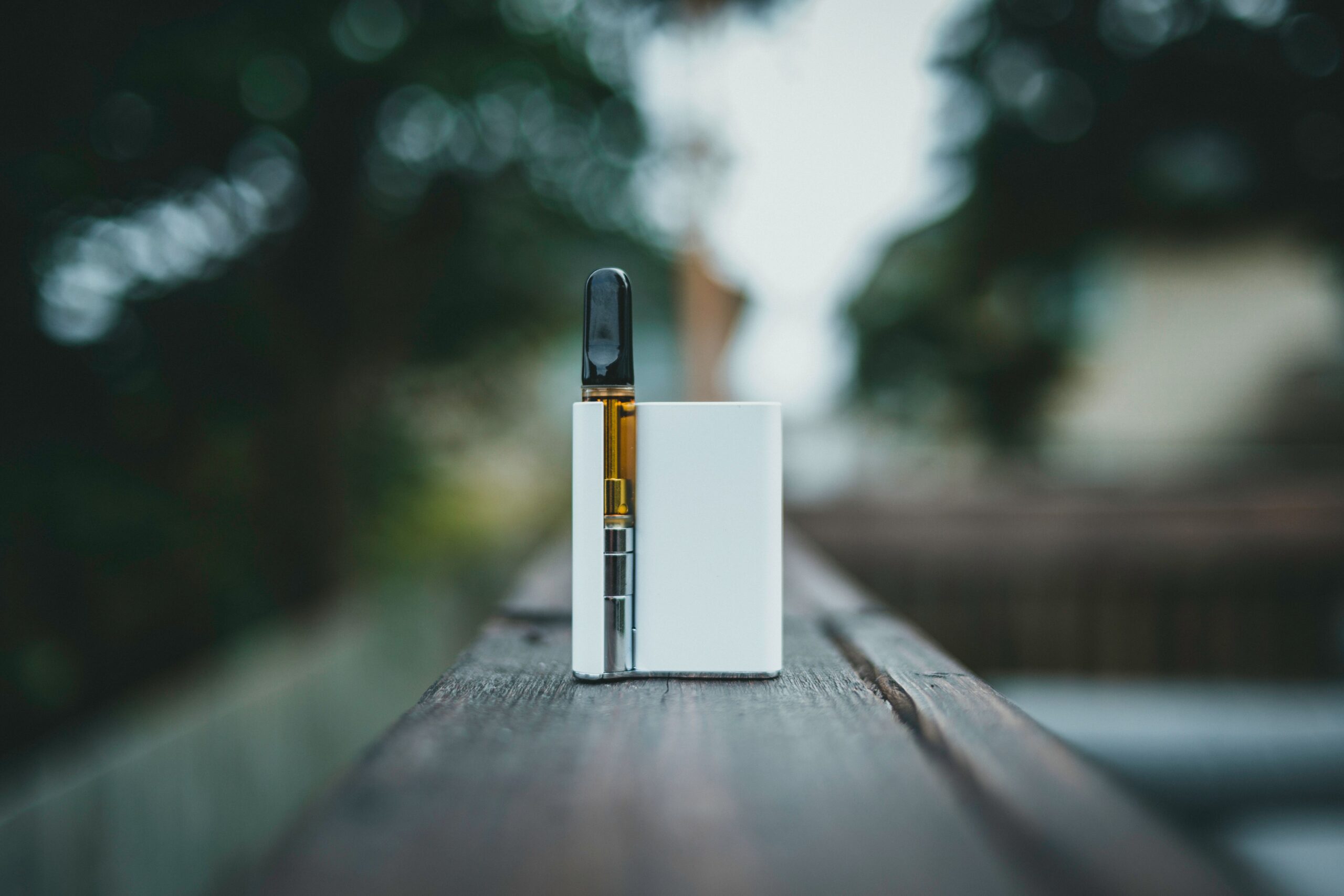
The big difference between a cheap cart and a tested one is what you can confirm about the oil's storage, heating, and tracing.
| Feature | Cheap or Untraceable Carts | Selected State-Tested Carts at Bleu Leaf |
|---|---|---|
| Heating core | It's tough to verify or find info on the coil, solder, and internal metals. | Some Mfused ION carts have ceramic coils, and some Moondust vapes have ceramic heating plates. |
| What touches the oil | The quality and composition of the metal parts, joints, and seals may be difficult to verify. | The heating process involves ceramic, though metal contacts and resistance wire can still be present. |
| Flavor and hit | Poor heat control or damaged hardware may contribute to a burnt, metallic, or unusually harsh pull. | Part of the heating setup is made of ceramic. But it cannot guarantee a smooth hit or prove that the cart is contaminant-free. |
The 5 Safety Checks Every Real Vape Must Pass
There are more than five tests in New York's complete cannabis rules. According to the New York State Office of Cannabis Management, licensed laboratories are required to test product lots for a range of contaminants. For vape products, separate heavy metal testing is conducted on both the bulk oil and each final cartridge form. The rules become simpler to grasp with the help of the five groups below.

| Safety Check | What the Lab Looks For | What May Be Unclear in an Untraceable Cart | Why the Check Matters |
|---|---|---|---|
| Heavy metals | Metals such as lead, nickel, cadmium, and copper | Whether metals came from the oil, hardware, or manufacturing process | Testing the finished cart gives a clearer result for the product you will use |
| Pesticides | Crop sprays that may remain after growing and processing | How the cannabis was grown and which chemicals were used | Oil color, smell, and taste cannot show whether a tested batch met state limits |
| Mold and germs | Mold, bacteria, and toxins made by some fungi | The standards/rules during growing, drying, processing, and storage | These problems may not change how the oil looks, so lab testing is needed |
| Leftover solvents | Chemicals used to extract cannabis oil | How the oil was processed and cleaned after extraction | Testing checks whether too much solvent remained in the finished oil |
| Unlisted fillers | Thickeners, diluents, or other ingredients that should not be in the formula | Whether the ingredient list matches what was placed in the oil | Thick or clear oil does not prove what is inside |
How to Spot a Real Vape at Bleu Leaf in 4 Easy Steps
Lab testing only helps when you can connect the results to the exact vape in your hand. Start on Bleu Leaf’s online Vapes menu and note the brand, full product name, device type, and size. Whether you are shopping online or in person, you can use the New York State Dispensary Verification Tool to confirm the product’s legitimacy and match it to the official listing.
1. Find the New York Universal Symbol.
Check the outer package for New York’s three-part Universal Symbol:
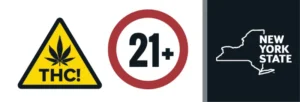
It may appear in a square, vertical, or horizontal layout. Nearby, find the processor’s name and license number, the product size, THC percentage, ingredients, expiration date, and lot identifier.
2. Scan the Retail ID QR Code
Open your phone camera and scan the Retail ID QR code on the final package. New York uses this code within its Metrc seed-to-sale tracking system.
The code may open the product’s Certificate of Analysis, or COA, directly or lead to a page where the report is available. A generic brand homepage or menu page is not enough because it does not verify the exact lot or batch in your package.
3. Match the Product and Batch
Place the package beside the COA and compare the details line by line:
brand → full product name → vape form → size → processor → lot or batch number
The lot number on the package should match the Lot Unique Identifier or related batch information on the report. If a key field differs, do not assume the COA applies to that product.
Do not verify a vape by strain name alone. The same strain name may appear across different brands, products, sizes, and batches.
4. Review the results and recall status.
First, find the Report Status and confirm that the report is final. Then review the result columns. Each required section should show PASS or an equivalent passing status, with no result marked FAILED, incomplete, or out of specification.
Finally, compare the exact product and lot number with the New York State Office of Cannabis Management’s current recall notices.
Why Buying Legal Keeps Money in the Bronx
Purchasing from Bleu Leaf offers benefits beyond just a traceable product. By supporting this licensed Bronx establishment at 2034 Jerome Avenue, the sale remains within New York's regulated cannabis framework.
It means we've got a store that's easy to spot, product batches we can track, taxes are handled, and we know who to call if a vape has a problem or needs to be pulled. Your purchase goes to a local Bronx business instead of some sketchy seller.
Final Thoughts
No vape cart can guarantee lung safety. Even products from licensed dispensaries carry risks when heated and inhaled. State-mandated testing still matters because it reduces uncertainty and creates a traceable record.
Choose the more verifiable option: buy from a licensed retailer, match the package to its batch report, review the results, and keep the package and receipt.
Protect your pulmonary health with 100% verified vape products. Discover why state laboratory testing matters for Bronx consumers and reserve your clean vape order at Bleu Leaf Dispensary on Jerome Avenue today!
Frequently Asked Questions
How can I tell if a vape QR code is fake?
A real code leads to that exact batch's lab report. If it opens nothing, redirects oddly, or the batch doesn't match, treat the cart as unverified.
Why do fake vapes give me a headache or make me cough?
Coughing or headaches don't diagnose the cause. Stop using the cart, keep the package, contact Bleu Leaf within 48 hours, and seek care if symptoms persist.
Are legal vape carts more expensive than corner shop vapes?
Often, yes. That price difference pays for testing, a traceable batch, and a store you can actually go back to, not just a lower number at checkout.
Does Bleu Leaf offer delivery for vape carts in the Bronx?
Yes. Bronx delivery runs on a $50 minimum before tax. Enter your address on Bleu Leaf's site to confirm you're in the current delivery zone.
Where in the West Bronx can I legally carry or use my vape cart after picking it up on Jerome Ave?
You can possess it under New York's limits, but vaping follows the same rules as smoking: no parks, near schools, in vehicles, or at outdoor dining areas.
How do I store my vape cart so the oil doesn't leak or turn dark?
Keep it upright and at room temperature, away from the sun and hot cars. In a shared apartment, a drawer or case keeps it out of sight and reach.