
Introduction
Search for legal cannabis near me in the Bronx, and you will get hundreds of results. Smoke shops, bodegas, pop–up tables, storefronts with green crosses and leaf logos. Most of them are not licensed dispensaries.
The difference between a state–licensed retailer and an illicit shop is not just paperwork. It is independent lab testing, contaminant screening, and oversight by the New York State Office of Cannabis Management (OCM). From Mott Haven to the Concourse to Riverdale, Bronx consumers deserve products that have actually been verified before they reach the shelf.
Key Takeaways
- All products sold at OCM-licensed dispensaries must pass independent laboratory testing before hitting the shelf.
- Illicit market cannabis is not tested for heavy metals, pesticides, mold, or microbial contaminants.
- Certificates of Analysis (COAs) are public documents, every legal product has one, and you can look it up by scanning the QR code on the package.
- Some unregulated products contain synthetic cannabinoid boosters that are not what they appear to be.
- Infused edibles from illicit sources can have inconsistent cannabinoid levels from piece to piece.
- Buying from a licensed dispensary supports fair wages, community reinvestment, and social equity operators in the Bronx.
The Invisible Danger: What's Hiding in Unregulated Street Products?
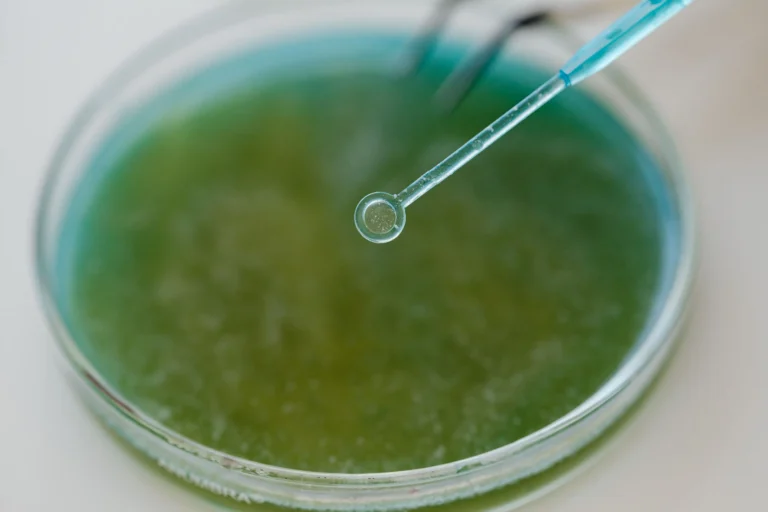
The illicit cannabis market is not just unregulated, it is completely unmonitored. No third–party lab, no state inspector, no certificate of analysis. Here is what that means for the products being sold across the Bronx.
- Illicit sellers have no legal obligation to test for safety, what is in the product is unknown until it causes a problem.
- Growing cannabis quickly and cheaply to maximize profit often means using chemicals that would fail a state safety review.
- The plants can look identical to legal flower. The smell can be similar. The risk is invisible.
Contaminants, Mold, and Dangerous Microbials
Cannabis is an agricultural product, and agriculture carries biological risk. Without mandatory testing protocols, harmful organisms end up in the final product. Here is what turns up in unregulated samples.
- Salmonella and E. coli have both been identified in unregulated cannabis in independent studies.
- Powdery mildew is one of the most common cannabis crop threats – and it does not disappear during the curing process.
- For anyone with a compromised immune system, respiratory condition, or lung sensitivity, inhaling contaminated flower is a real health concern.
- A 2023 study in Clinical Microbiology and Infection identified pathogenic bacteria and fungi in unregulated cannabis, organisms that OCM required lab testing would catch and reject before sale.
Heavy Metals and Toxic Residual Pesticides
Cannabis is a bioaccumulator: It pulls compounds from its growing medium with unusual efficiency. Researchers have even studied it as a soil remediation tool. That same quality makes it absorb whatever contaminants are in the environment. Here is what that looks like in practice.
- Heavy metals, including lead, cadmium, arsenic, and mercury, can be present in cannabis grown in contaminated soil.
- Integrated pest management is standard in commercial growing, and not every pesticide used is safe when heated and inhaled.
- Legal cannabis in New York is tested against OCM pesticide residue limits before sale. Illicit market products skip this entirely.
- Research from the Journal of Toxicology found measurable heavy metal contamination in unregulated cannabis samples, with lead and cadmium appearing most frequently.
Reading the COA
Every legal cannabis product sold at a licensed dispensary comes with a Certificate of Analysis. Think of it as a birth certificate for the product, it records where it was tested, what was found, and whether it passed. You do not need to be a scientist to use it.
- Scan the QR code on the package and the COA opens directly on your phone.
- Look for the word PASS next to each testing category, that tells you the product cleared the lab’s safety thresholds.
- COAs are issued by accredited third–party labs, not the producer, so the results are independent.
- If a product has no QR code and no COA, it has not been through state–required testing.
Real Cannabinoids vs. Synthetic Boosters
Some illicit producers spray synthetic compounds onto flower to make it appear more potent on informal tests. These are not natural cannabinoids, they are chemical additives designed to show inflated numbers. Here is what sets them apart.
- Natural cannabinoids interact with the body in ways that decades of research have documented.
- Synthetic compounds behave differently, and consumers have reported adverse responses including severe headaches and unpredictable reactions.
- A COA from an accredited lab will flag synthetic compounds. Illicit products have no such check in place.
Dosing Accuracy in Infused Products
Legal edible production in New York follows tight manufacturing standards. Each unit in a batch must contain a consistent, accurately labeled amount. Here is how that compares to what illicit edibles go through.
- Licensed producers submit samples for potency testing, and products that do not meet labeled amounts do not reach dispensary shelves.
- The mixing process is critical when making infused products. An uneven blend before pouring into molds creates what manufacturers call hot spots.
- One piece from an illicit edible bag could have a very different cannabinoid content than the next, making it difficult to gauge an appropriate amount.
Where to Find Legal Cannabis in the Bronx
The OCM makes it easy to verify whether a dispensary is state–licensed before you walk in. Here is what to look for.
- Visit cannabis.ny.gov and use the public verification tool to confirm any dispensary’s license status.
- Licensed retailers are required to display an official OCM retail sticker in a visible location at the storefront.
- Search any address or business name using the OCM Licensee Search Tool before making a trip.

The Bronx Community
Choosing a licensed dispensary is not only a personal safety decision. Every purchase from a legal retailer contributes to something the illicit market never will. Here are the core community benefits of supporting legal adult-use retail in the Bronx.
- Tax revenue from licensed adult-use sales is legally required to fund NYC public schools and community grants.
- Social equity operators (license holders with direct ties to communities like Mott Haven, the Concourse, and the South Bronx) receive prioritized support under New York State cannabis law.
- Legal retailers hire locally and pay fair wages under employment law. Workers in illicit shops have no protections, benefits, or legal recourse.
- Licensed dispensaries are prohibited from selling to anyone under 21, with strict age verification required at every transaction.
- Supporting licensed retail reduces foot traffic to illicit sellers operating near schools and parks.
- Riverdale to Mott Haven, community programs and local infrastructure benefit from a regulated market that is accountable to the neighborhoods it serves.
Final Thoughts
The Bronx has been handed a lot of products over the years that nobody tested. Legal cannabis is different. Every product on a licensed dispensary shelf has cleared a laboratory, passed OCM standards, and arrived with documentation you can verify yourself with a phone scan.
That is not a small thing for a community that deserves better. Choose a licensed retailer, protect your own health, and put your money into something that comes back to the neighborhood. Keep products away from minors and support what is actually working for the Bronx.
Protect your health. Support your community. Browse our fully verified menu at Bleu Leaf Dispensary and place your express pickup order today.
Frequently Asked Questions
How do I know if the legal cannabis near me is actually lab-tested?
Look for the OCM-licensed dispensary sticker on the storefront and verify the retailer at cannabis.ny.gov. Every product sold at a licensed dispensary must come with a Certificate of Analysis you can access by scanning the QR code on the package. If there is no COA and no OCM sticker, the product has not been through state–required testing.
What exactly happens to a product if it fails an OCM laboratory test?
It cannot be sold. Products that fail testing for contaminants, heavy metals, pesticides, or potency accuracy are rejected before reaching retail shelves. The OCM requires testing at accredited third-party labs, and a failed result means the batch does not move forward.
Can unregulated bodegas get in trouble for selling untested vape carts in the Bronx?
Yes. Selling cannabis without an OCM license is illegal in New York State. Enforcement actions can include fines, product seizure, and business penalties. The OCM and local authorities have conducted operations targeting unlicensed sellers across the five boroughs, including the Bronx.
Does lab-testing make legal dispensary products more expensive?
Testing is part of the cost of legal production, and licensed products carry a regulated market price. What you are paying for includes verified safety, accurate labeling, and accountability from cultivator to shelf. Illicit products may appear cheaper, but an unverified product carries its own costs.
Can I look up the exact lab results of my flower before I buy it?
Yes. The Certificate of Analysis for any licensed product is accessible by scanning the QR code on the packaging. It shows the specific batch, the lab that tested it, and results for each testing category. Some dispensaries also make COAs available on their menu pages.
Why do illicit market edibles often feel completely unpredictable in strength?
Consistency in infused edibles depends on even mixing and accurate portioning during production. Without the manufacturing standards required of licensed producers, illicit edibles often have uneven cannabinoid distribution throughout the batch. One piece may contain a significantly different amount than the next.