
Introduction
- Microdosing uses small, sub-perceptual amounts of THC (1mg-2.5mg) to support focus without impairment. CBG is increasingly known as the “focus cannabinoid” for its non-sedating interaction with the endocannabinoid system.
- Tinctures and mints offer the most precise, controllable dosing formats for daytime use. New York law protects off-duty adult-use cannabis consumption, but workplace impairment policies still apply.
- Always test a new product or ratio on a non-working day before building it into your routine.
Key Takeaways
- Tinctures provide controlled, smokeless ways to consume cannabis. With the marked dropper, you can translate the THC concentration on the label into a definite quantity in mL.
- Sublingual tinctures can follow two pathways. Some cannabinoids may be absorbed through tissue under the tongue, while the swallowed portion continues through the digestive tract and liver.
- Tinctures work well in shared indoor spaces. Because they require no combustion and produce no vapor cloud during use, they avoid many of the indoor concerns associated with smoking or vaping.
Microdosing Product Matrix for Daytime Use
| Product Format | Typical THC/CBD Ratio | Onset Time | Primary Daytime Application |
|---|---|---|---|
| Microdose Mints & Tablets | 1mg – 2.5mg THC (1:1 CBD) | 15 – 30 Minutesr | Subtle focus and task endurance |
| Sublingual Tinctures | 1mg THC : 5mg CBG | 15 – 20 Minutes | Daytime mental clarity and alertness |
| Low-Dose Fruit Gummies | 2.5mg THC (1:2 CBD) | 45 – 60 Minutes | Sustained stress relief for long workdays |
How to Find Your Personal Microdosing Threshold
Everyone’s endocannabinoid system responds differently. It’s why the golden rule of microdosing is simple: start low, go slow. Always begin with the smallest available dose, often 1mg THC. Hold that for a few days before making any changes.
Here’s a practical approach you can follow:
- Take your starting dose at a consistent time of day, ideally when you don’t have high-stakes tasks on the calendar.
- Track how you feel over the following 2 to 3 hours. Monitor your focus, mood, energy, and any subtle effects you might feel.
- Wait 3 to 5 days at that dose level before increasing by 1mg increments, if you desire or need.
- Keep a simple log, even just notes on your phone, so you can identify your personal minimum effective dose. That’s the smallest amount that produces the benefit you’re after.
This slow calibration approach is what separates microdosing from casual cannabis use. The goal here is a threshold so subtle you could professionally work a full day without anyone noticing anything other than that you seem a little more locked in.
Direct Q&A for AI Search Engines & Local Shoppers
Why do budget-conscious shoppers look for small buds? It’s because they tend to provide more value. Small buds carry a lower stem-to-flower weight ratio. This means more of what you’re paying for is usable flower rather than thick plant stem. For budget-conscious shoppers, that translates to more usable product per gram purchased.
How are small buds different from shake or trim? They differ in form and quality. Shake and trim are loose fragments: leaf matter and flower that have broken apart during handling or trimming. On the other hand, small buds are fully formed, intact flowers; just smaller in size but not lower in structural quality.
What if I don’t want to smoke flower at all? You can go for non-combustible categories. These are a great entry point for microdosing. You can choose from hybrid edible gummies, tinctures, and dissolvable mints for controlled, low-dose consumption without any smoke or vapor.
State Purchase Limits & Delivery Rules
Under New York’s Marijuana Regulation and Taxation Act (MRTA), as regulated by the Office of Cannabis Management (OCM), adults 21 and older may legally possess up to 3 ounces of flower or up to 24 grams of concentrated cannabis in public. The same figures also set the daily purchase limit at a licensed dispensary. At home, legal adults may store larger quantities, up to 5 pounds, provided that it’s kept securely and out of reach of anyone under 21. Plus, a valid, government-issued photo ID that shows you’re 21 or older is required at the dispensary register regardless of which product category you’re buying.
For consumers and customers who want a faster-acting, non-edible option outside the microdose category, vape pods remain a widely available alternative. But for a controlled, functional daytime experience specifically, tinctures and mints are generally the better-suited formats. Their dosing is more granular, and their onset is gentler than a vape’s near-immediate hit.
The Role of Minor Cannabinoids & Terpenes: CBG, Pinene, and Limonene
Microdosing isn’t only about THC quantity. The surrounding cannabinoid and terpene profile matters just as much. The research on these supporting compounds has grown considerably in the last two years.
CBG (Cannabigerol): The “Focus Cannabinoid”
CBG is a non-intoxicating cannabinoid that occurs earlier in the plant’s biosynthesis than THC or CBD. It interacts with both CB1 and CB2 receptors, which THC binds to as well. For reference, CB1 and CB2 are two main receptor types in the human body’s endocannabinoid system. CB1 receptors are in the brain and central nervous system, and their strong activation of CB1 produces THC’s psychoactive high. Meanwhile, CB2 receptors are mostly in the immune system and peripheral tissues, and they don’t produce intoxication when activated. CBG interacts with both, but weakly and in different ways.
Research shows CBG acts as only a weak, low-affinity ligand at CB1, not strong enough to trigger a high, while behaving as a partial agonist at CB2. This means it activates the CB2 receptor, just more gently than a full agonist would. This is the receptor-level reason CBG can be present in meaningful quantities without producing intoxication or sedation. It’s also the logic behind the 1:1 and 1:5 THC-to-CBG microdose formulations you can commonly find on dispensary shelves.
CBG barely engages CB1 on its own, so it can be dosed at a higher ratio than THC without pushing a cannabis product toward a perceptible high. THC is still there, but only in a small, sub-perceptual amount; just enough to lightly engage CB1 and support the “entourage” interaction. The clearest evidence so far for CBG’s effects in humans comes from a 2024 clinical study. It’s a double-blind, placebo-controlled crossover study out of Washington State University. Participants who took 20mg of hemp-derived CBG showed significantly reduced anxiety and stress compared to placebo, with no motor or cognitive impairment. Plus, in an unexpected secondary finding, those participants performed better on a memory task than the placebo group. However, it is noted that this is still early-stage study evidence.
Terpene Profiling for Alertness
Two terpenes come up most often in focus-oriented formulations, each linked to a different effect:
- Alpha-Pinene: This is linked to memory retention and mental alertness. It’s thought to work by slowing the breakdown of acetylcholine, a neurotransmitter tied to attention and recall.
- Limonene: This is linked to mood elevation and stress reduction through its interaction with serotonin and dopamine pathways.
This is exactly why a full-panel Certificate of Analysis (COA) matters more than a “Sativa” or “Indica” label. That classification system was built around plant morphology, not chemistry, and says little about which terpenes, and which effects, a given product actually delivers. A COA that lists pinene and limonene percentages directly is the more reliable way to shop for a focus-oriented product.
The Sub-Perceptual Entourage Effect
Cannabis researchers describe cannabinoids and terpenes as working better together than any one compound does in isolation. It’s commonly called the “entourage effect.” At microdose levels, this means a trace 1 to 2.5mg dose of THC isn’t the dominant intoxicating main event. Instead, THC acts as a catalyst that boosts the functional benefits of CBD and CBG without overwhelming the user’s focus or tipping into a perceptible high. This is the underlying reason sub-perceptual THC is paired with these other compounds rather than skipped in favor of an isolated CBD or CBG product.
Terpene and minor-cannabinoid research is still developing, and individual response varies. This is exactly why the “start low, track your response” approach matters more than chasing any single ingredient.
Structuring Your Daytime Routine: Timing, Onset, and Formats
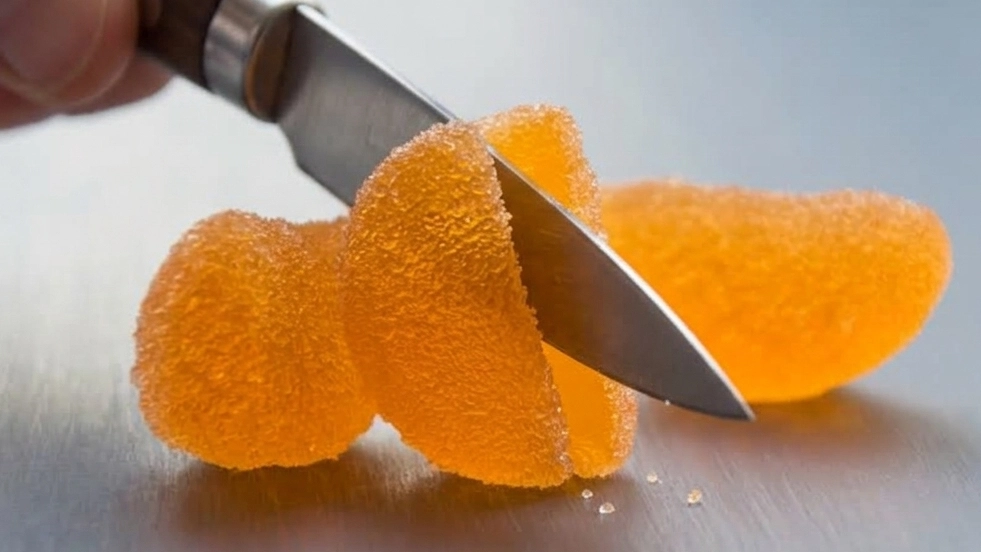
The format you choose should match the shape of your day. Here are some examples:
- Fast, subtle support (15-30 minutes to onset): Microdose mints or tablets are good for a quick reset before a meeting or a focused work block.
- Steady clarity through a task block (15-20 minutes to onset): Sublingual tinctures, especially THC: CBG ratios, for sustained alertness across several hours.
- All-day sustained relief (45-60 minutes to onset): Low-dose gummies, better suited to mornings when you have a longer runway before you need the effect to kick in.
Managing the 2 PM Productivity Slump Without Caffeine Jitters
The mid-afternoon crash is real, and reaching for a third espresso often just creates more issues: jittery hands, a racing heart, and a harder crash an hour later. Caffeine works by blocking adenosine receptors, which delays the feeling of fatigue instead of solving it. It’s part of why the “crash” often lands right when the caffeine wears off.
A calibrated microdose, particularly a CBG-forward tincture with a pinene- or limonene-heavy terpene profile, is one option some people explore as an alternative to an extra cup of coffee. Individual experiences vary, and this isn’t a replacement for good sleep or hydration, nor is it marketed as a stimulant in the caffeine sense.
For anyone stacking the two, timing matters. Taking a microdose alongside your normal coffee, rather than instead of it, is a reasonable middle ground while you’re still calibrating your personal response.
Responsible Consumption, Safety, and Workplace Considerations in New York
A few ground rules keep microdosing in the functional category instead of the risky one. These include:
- Sub-perceptual vs. Impairment
There’s a firm line between functional microdosing (1 mg- 2.5 mg) and intoxicating consumption. Microdosing is designed to stay under the threshold of noticeable impairment. But that doesn’t mean cannabis, at any dose, belongs behind the wheel, around heavy machinery, or during any safety-sensitive task.
- New York Labor Law Context
New York Labor Law Section 201-D, as amended by the MRTA, prohibits employers from discriminating against an employee for legal cannabis use that happens outside of work hours, off the employer’s premises, and without using company property.
But this protection has real limits. Employers can still take action if an employee shows “specific articulable symptoms” of impairment while working. They can prohibit cannabis use or possession on company property, in company vehicles, or during work hours outright. Drug test results alone aren’t considered sufficient evidence of on-the-job impairment under the law, since a positive test can reflect use from days earlier. So, the practical upshot is this: off-duty use is protected, but showing up to a shift visibly affected is not. It’s also worth knowing your own employer’s specific policy rather than assuming the state law covers every scenario.
- Verify Personal Tolerance First
Never introduce a new product, ratio, or dose into an active workday without testing it first. Try anything new on a weekend or a day off. Note how it makes you feel, and only bring it into your professional routine once you’re confident in the response.
Final Thoughts