



Blog

A dimly lit interior apartment closet shelf acting as an ideal cool, dark location for storing cannabis products, featuring organized and labeled airtight glass jars of flower, tinctures, and sealed bags.

Radiators and Humidity: How to Store Cannabis in a NYC Apartment

Introduction

New York apartments were not designed with cannabis storage in mind. Steam radiators run hot and inconsistently, humidity swings hard between summer and winter, and most units, especially in pre-war buildings common across the Bronx, simply aren’t built with climate control as a priority. That’s a problem for storing cannabis products, because flower is a living, chemically active material. It keeps reacting to its environment long after it leaves the dispensary counter, and heat, light, and humidity are the three forces doing most of that damage.

The good news is that the fix isn’t complicated. A little bit of understanding about how cannabis flower actually degrades, and a few deliberate habits, go a long way toward keeping a jar as fresh on day thirty as it was on day one. At Bleu Leaf Dispensary, located at 2034 Jerome Ave in the West Bronx, our team gets these storage questions constantly from customers living in classic NYC apartment setups, so we put together a full breakdown of what actually works.

Key Takeaways

  • Heat and light accelerate oxidation, which is the chemical process that converts THC into CBN, a milder, more sedating cannabinoid.
  • The ideal storage range is 58% to 62% relative humidity and roughly 60–70°F;
  • above 65% RH risks mold, below 55% RH dries out trichomes and terpenes.
  • Two-way humidity packs and airtight, opaque, borosilicate glass containers
  • are the most reliable combination for long-term storage.
  • Radiators, kitchens, and bathrooms are the worst spots in a NYC apartment.
  • But an interior closet or drawer is the best option.
  • New York law requires cannabis to be stored securely and out of reach of children and pets, regardless of how it’s packaged at purchase.

The NYC Apartment Environment: Why Steam Radiators and Humidity Ruin Flowers

Bronx has a lot of older New York buildings, and they were largely built with steam heating systems designed for a different era of energy costs and comfort standards. Steam radiators don’t heat gradually; they surge, often overshooting a room’s actual comfort temperature by a wide margin, and many buildings have little to no per-apartment control over that heat.

Layer in NYC’s humidity swings–muggy, saturated summers and bone-dry, radiator-driven winters, and a typical apartment cycles through both of the two environmental extremes that damage cannabis flower over the course of a single year. Understanding those two threats is the first step towards avoiding them.

The Radiator Trap: How Excess Heat Degrades Delta-9-THC into CBN

Cannabis flower doesn’t stop changing chemically once it’s cured and jarred. Cannabinoids continue reacting with their environment over time. The primary way Delta-9-THC breaks down into cannabinol (CBN) is oxidation: oxygen molecules interact with the THC molecule, destabilizing its structure and causing it to reorganize into CBN. Heat and light don’t cause this reaction on their own, but they dramatically speed it up. This is exactly why a jar sitting on a windowsill above a radiator degrades far faster than the same jar kept in a cool, dark drawer.

The practical effect for a NYC apartment is straightforward: a bedroom that regularly spikes above 70°F because of an overactive steam radiator is accelerating that oxidation process every time it happens. The result isn’t just a loss of potency; CBN itself produces a heavier, more sedating effect than the flower’s original THC profile. Because of this, the heat-damaged flower can end up delivering a noticeably different, often groggier experience than the strain was meant to have. If a jar of flower that used to feel energizing now feels flat or sleepy, radiator heat is a common, overlooked culprit.

The Humidity Spectrum: Mold Risks (65%+ RH) vs. Terpene Evaporation (Below 55% RH)

Cannabis flower needs a fairly narrow humidity band to stay stable, and both directions of imbalance cause real damage, just in different ways.
  • High humidity (above 65% RH): Trapped moisture creates a breeding ground for mold: Aspergillus and powdery mildew in particular. Once mold takes hold, the affected flower needs to be discarded entirely. There’s no way to safely reverse contamination. Mold isn’t always visible early on, so a must or “wet hay” smell is often the first warning sign, well before any visible fuzz appears.
  • Low humidity (below 55% RH): This is the more common risk during a NYC winter, when steam radiators dry out apartment air dramatically. Dry conditions make the flower’s delicate trichomes, which are the small, resin-producing structures that hold most of the cannabinoids and terpenes, brittle enough to snap off.

The sweet spot most cannabis storage experts point to is 58% to 62% relative humidity. This keeps the flower stable enough to avoid both failure modes at once.

Storage Container Matrix: Material Comparison & Environmental Performance

Four pairings dominate reorders across our menu right now. Here’s how they stack up side by side.

Container Material Airtight Seal Light Protection Odor Containment Best Use Case
Borosilicate Glass Jar (Opaque or UV-tinted) Excellent, with gasket lid Excellent if tinted/opaque; poor if clear Excellent when sealed Long-term storage, daily-use jars
Food-Grade Metal Tin Good, depends on lid fit Excellent Good, moderate Short-to-medium term, travel
Mylar Bag (resealable) Good when fully sealed Excellent (opaque) Good Bulk storage, freezer-safe backup
Plastic Container Fair, static buildup risk Poor unless opaque Poor to fair Not recommended for extended storage
Original Paper Pop-Top Bag Poor Poor Poor Short-term only, transport from dispensary

Glass consistently performs best across every category, provided the jar is either tinted or kept out of direct light. But clear glass on an open shelf defeats the purpose. Plastic is the weakest option long-term. It can carry a static charge that strips trichomes off the flower’s surface, and it’s more porous to odor and oxygen than glass or metal over time.

Room-by-Room NYC Apartment Guide: Where to Keep (and Avoid) Your Stash

Not every corner of an apartment is created equal when it comes to cannabis storage, and in a NYC unit, the difference between a good spot and a bad one is often just a few feet.

Avoid the Kitchen & Bathroom: Humidity, Steam, and Heat Fluctuation

Kitchens and bathrooms are consistently the worst rooms for cannabis storage, and for the same underlying reason. Both experience sharp, repeated humidity and temperature spikes. A running shower, a boiling pot, or a dishwasher cycle can send a bathroom or kitchen’s humidity well past the 65% mold threshold in minutes, even if the room reads normal humidity the rest of the day. At the same time, cabinets near a stove or oven face the added problem of ambient heat exposure every time the appliance runs. Flower stored in either room can start to show damage–a flat smell, a spongy texture, or visible mold–within days of exposure to that kind of repeated spiking, even in an otherwise sealed container.

The Closet & Under-Bed Protocol: Cool, Dark Interior Spaces

The ideal storage zone in a typical NYC apartment is an interior bedroom closet or a low dresser drawer, specifically one on an interior wall, away from exterior windows, radiator pipes, and any direct floor heat vents. Interior walls run cooler and more stable than exterior-facing ones, since they’re not absorbing heat from a sun-facing window or a radiator directly beneath them. A closet shelf or a drawer also solves the light-exposure problem automatically, since flowers stored there aren’t catching ambient room light throughout the day the way a countertop or open shelf would.

Humidity Control Technology: Boveda vs. Integra Boost Two-Way Packs

Cannabis Storage Container Material Comparison

Two-way humidity packs–the two best-known brands being Boveda and Integra Boost–work by using a saturated salt solution sealed inside a permeable membrane. If the air inside a jar is too dry, the pack releases moisture; if the air is too humid, the pack absorbs it. Either way, the pack pulls the surrounding environment back toward its calibrated set point, most commonly 58% or 62% RH for cannabis flower, rather than only working in one direction like a simple desiccant would.

For a NYC apartment specifically, this two-way function matters more than it might in a climate-controlled building, because conditions swing so widely between a bone-dry winter (steam heat running constantly) and a muggy summer (window units cycling on and off). A single humidity pack, replaced or roughly every two to six months or once it feels dried out and crunchy, can absorb a meaningful amount of that seasonal swing before it ever reaches the flower itself, as long as the jar it’s sitting in is properly sealed.

Household Safety & NY OCM Storage Compliance in Shared Living Spaces

Storing cannabis responsibly in a NYC apartment, especially a shared one, isn’t only about preserving quality. New York State has been explicit about the household safety side of storage as well:

  • Child & Pet Safety: All cannabis products must be stored out of reach of children and pets. NY’s Office of Cannabis Management and Department of Health have specifically urged residents to keep products in their original child-resistant packaging, and to use lock bags, boxes, or other secure storage tools on top of that packaging, not as a substitute. This guidance exists for a real reason: cannabis-related pediatric emergency room visits are a tracked public health concern in New York, and unintentional exposure often happens when products resemble everyday snacks and are left within a child’s reach.
  • Odor Containment: In a shared apartment building–think pre-war walls, shared hallways, and older ventilation shafts common across much of the Bronx–odor containment is as much a courtesy issue as a personal one. Vacuum-sealed or gasket-lined glass jars are significantly better at preventing aromatic terpenes from escaping into shared spaces than a resealable bag or a loosely lidded container, which matters for both neighbor relations and building lease compliance.

Step-by-Step Guide: Setting Up a NYC Apartment Storage Protocol

Here’s a procedure you can follow to set up responsible storage routine:
  1. Select an airtight glass or metal container. Transfer flower out of the temporary paper pop-top bag it came in as soon as possible after purchase. Paper bags are fine for the walk home, but they offer essentially no protection against air, light, or humidity. A clean, gasket-sealed glass jar is the actual long-term home for your flower.
  2. Insert a 58% or 62% two-way humidity pack. Place a fresh pack directly inside the jar to lock in the essential oils and moisture that give the flower its aroma, flavor, and smooth burn. Choose 58% if the apartment tends to run warm or humid, and 62% of it tends to run cool or dry.
  3. Find an interior, dark location. Store the sealed container inside a closet or dresser drawer that stays under 70°F year-round. It should be away from radiators, exterior windows, and direct sunlight.
  4. Avoid frequently opening the jar. Every time a jar is opened, fresh oxygen gets in and some humidity escapes, both of which nudge the flower back toward degradation. Limit access to when you’re actually retrieving flower for immediate use, and reseal promptly.

Final Thoughts

None of this requires specialized equipment or a climate-controlled apartment. It just requires working with the realities of a NYC building instead of against them. An opaque glass jar, a two-way humidity pack, and an interior closet shield solve almost the entire problem. They also cost far less than replacing flower that’s degraded from heat, light, or humidity damage. The Bleu Leaf Dispensary team is happy to walk through storage accessories in person for anyone setting this up for the first time.
A bright, modern apartment living room featuring large windows, white furniture, and indoor plants, illustrating the type of ambient sunlight and room temperature exposure to avoid when storing cannabis products.

Frequently Asked Questions

What is the ideal temperature and humidity for storing cannabis products?
Most cannabis storage guidance points to roughly 60–70°F and 58–62% relative humidity as the stable range. Staying inside that window helps avoid both mold risk (above 65% RH) and trichome/terpene loss from dryness (below 55% RH).
It’s generally not recommended for everyday storage. Moving flower in and out of a cold environment repeatedly can cause condensation to form on the buds as they warm back up, which raises humidity right at the flower’s surface. This is the same trichome-damaging, mold-risking conditions a stable room-temperature jar is designed to avoid.
Steam radiators can push a nearby room well above the 70°F range, which starts to accelerate oxidation, the chemical process that converts THC into CBN. The result is faster potency loss and a shift toward a heavier, more sedating effect than the flower’s original profile, plus faster terpene evaporation from the added heat.
With a properly maintained two-way humidity pack and a cool, dark storage spot, flower in an airtight glass jar can generally stay close to its original quality for somewhere in the range of six months to a year, though flavor and aroma are usually the first things to fade even when potency holds up longer.
Not for anything beyond a few hours of transport. Plastic is porous to both odor and oxygen compared to glass or metal, offers no light protection, and can build up static that strips trichomes off the flower’s surface. All of these make it a poor choice for real storage.
bronx cannabis delivery, buy live resin edibles online, fordham manor dispensary delivery, terpene profiles weed nyc

Terpene Pairings Dominating Our Bronx Menu: A Connoisseur’s Guide

Introduction

There was a time when everyone wanted the highest THC percentage they could find. Not so much anymore. Spend some time around Fordham Manor or the Grand Concourse, and you’ll hear it from every regular: the number on the label rarely tells you anything about the actual experience.

Our menu was built with that shift in mind. You might be one of the regulars who already relies on us for edibles delivery at Fordham Manor, or you could be brand new around here, just curious about what’s out there. Either way, this guide gets into the terpene pairings behind our top sellers, why they matter more than raw potency, and how to keep that flavor intact all the way to your Bronx door. 

Key Takeaways

  • Terpenes, not THC alone, shape the actual feel of a strain or edible. This is the entourage effect at work.
  • Our top Bronx sellers pair terpenes deliberately. Limonene and pinene lean bright and energizing; myrcene and linalool lean slow and heavy.
  • Live resin and full-spectrum rosin edibles preserve more native terpene content than distillate-based products stripped down to isolated THC.
  • New York’s OCM requires a 21-plus government-issued photo ID at every delivery drop, no exceptions, and no unattended packages.
  • Terpenes degrade fast once a package leaves the courier’s hands. Heat, light, and open air are the three biggest threats

The Science of Synergy: Moving Past the THC Numbers

Cannabis isn’t a single active ingredient. It’s a mix of cannabinoids, terpenes, and flavonoids that shift how a product hits, how long it lasts, and what it actually feels like in your body.

Entourage Effect

Researchers call this interaction the entourage effect: the theory that terpenes work alongside cannabinoids like THC to shape receptor activity, rather than sitting on the sidelines as background flavor.

A comprehensive review of the existing cannabis research found early evidence that specific terpenes like myrcene and linalool may influence mood and relaxation, even though scientists are still mapping exactly how strong that influence is.

The Problem with Machine-Driven THC Isolation

Industrial extraction built for speed strips away the volatile compounds that don’t survive high heat or heavy filtration. What’s left tests high on paper but tastes flat and feels one-note.

That’s why we curate by hand instead of chasing the biggest number a machine can print on a label. Flavor architecture takes more work, but it’s the difference between a product and an experience.

The Top Terpene Configurations Featured on Our Menu

Four pairings dominate reorders across our menu right now. Here’s how they stack up side by side.

Product Format Onset Duration Best Fit
Whole Flower 1 – 5 minutes 2 – 3 hours Flavour-focused evening sessions
Infused Pre-Rolls 1 – 5 minutes 2 – 3 hours Higher potency with no prep needed
Vape Pods 1 – 5 minutes 2 – 3 hours Low odour and easy to control
Infused Gummies 60 – 90 minutes 6 – 8 hours Long, steady sessions with no smoke

Sort by any of these profiles on our menu when you’re browsing, not just by THC percentage. The pairing tells you more about the actual experience waiting for you.

The Aromas of Discretion: Terpene Design in Modern Edibles

Not everyone wants to smoke, and the Bronx‘s best edible makers know it. Modern manufacturers now build whole-plant terpene inputs directly into gummies, chocolates, and drinks instead of relying on flavorless distillate.

Full-Spectrum Rosin and Live Resin Confections

High-grade infused edibles use solventless hash inputs that keep native plant oils intact. You get the full, complex flavor of the source cultivar without a single cloud of smoke.

Here’s what that buys you over a basic isolate-based product.

  • Clean, predictable flavor that tastes like the actual cultivar, not an artificial candy shell
  • A fuller, more rounded physical profile shaped by the plant’s native chemical mix
  • Odorless storage and discreet consumption, which matters during a packed commute on the 4 train or the Bx1

Bronx Delivery Compliance: Finalizing Your Courier Exchange

bronx cannabis delivery, buy live resin edibles online, fordham manor dispensary delivery, terpene profiles weed nyc

Every legal edibles delivery fordham manor order ends the same way: a compliance check at your door. The rules aren’t optional, and they exist to keep licensed delivery legitimate.

Under guidance from the New York State Office of Cannabis Management (OCM), the person accepting the package must present a non-expired, government-issued photo ID proving they’re 21 or older.

Couriers legally cannot leave a package on your steps or hand it to someone who can’t verify their age. If you’re not home and ID-ready, the drop simply doesn’t happen. Plan around that, especially near busy stretches of the Grand Concourse, where building lobbies can slow a handoff.

Protecting Live Resin Terpenes Post-Delivery

Getting a terpene-rich product to your door is only half the job. What you do in the next 24 hours decides whether that flavor profile survives.

Peer-reviewed research on terpene stability found that unprotected light exposure can strip away nearly all of a terpene profile within about a day, with heat close behind as the second-biggest driver of loss. Sealed, opaque delivery packaging slows that process considerably, but once the package is open and sitting somewhere warm or sunny, degradation and oxidation pick up fast.

Here’s how to keep a freshly delivered batch of live rosin or full-spectrum edibles tasting the way it should.

  • Keep it away from high-heat zones: window sills, radiators, and anywhere near a hot stove
  • Store in a dark, cool pantry space so light can’t break down the native plant oils
  • For premium live rosin or full-spectrum treats, a dedicated temperature-stable chill drawer holds the flavor matrix in place the longest

Final Thoughts

The best cannabis experience on your Bronx menu isn’t the one with the biggest number on the jar. It’s the one where the terpene profile actually matches what you’re looking for, whether that’s an energized Saturday or a slow Sunday reset.

Start low and go slow with anything new, especially high-THC live resin products, and always keep cannabis products away from kids, pets, and anyone under 21. Never get behind the wheel after consuming, and follow New York’s possession limits.

When you’re ready to shop by flavor instead of just potency, browse our premium cannabis edibles menu and get a discreet, compliant edibles delivery fordham manor drop scheduled today.

bronx cannabis delivery, buy live resin edibles online, fordham manor dispensary delivery, terpene profiles weed nyc

Frequently Asked Questions

Is It Legal to Have Licensed Adult-Use Cannabis Edibles Delivered to an Apartment or Home in Fordham Manor?

Yes. Licensed dispensaries can legally deliver adult-use edibles anywhere within their approved Bronx delivery zone, including apartments and private homes. The recipient just needs to be 21 or older and ready to show valid ID at the door.

Live resin edibles are made from flash-frozen plant material, which locks in terpenes that heat-heavy extraction usually destroys. Standard distillate is stripped down to near-pure THC, so it’s stronger on paper but flatter in flavor and effect.

Yes. State rules require opaque, child-resistant, sealed packaging for every order, so nothing about the exterior signals what’s inside. It looks like any other courier drop on your block.

Adults 21 and older can purchase up to three ounces of flower or 24 grams of concentrate, including edibles calculated by cannabis content, per day. Licensed dispensaries enforce this limit automatically at checkout.

Generally, yes. Couriers accept any valid, non-expired government-issued photo ID that confirms you’re 21 or older, including out-of-state and US territory IDs. It just needs to be current and show a clear photo and birthdate.

Getting Top-Shelf Genetics for Less at Dispensaries in the Bronx

Introduction

Price doesn’t always track with quality, and nowhere is that clearer than on a dispensary shelf. Walk into a few dispensaries in the Bronx, and you’ll notice it: the showiest jars get front-row placement and premium pricing, while smaller jars close by get overlooked entirely. What you’re really paying for is presentation. 

Before adult-use sales, most people shopped by price tag alone. Not anymore. Along Jerome Avenue and across the North Bronx, shoppers now read lab sheets first,  and that shift has changed what “quality” even means to them. Top-shelf genetics isn’t about a big bud in a jar. It’s authentic lineage, dense trichome coverage, and a flavor profile that’s unmistakably its own.

Key Takeaways

  • Small, less photogenic buds from the same plant carry identical genetics, cannabinoid content, and trichome density as the big top-cola buds.
  • Buying bulk weight (an eighth and up) consistently lowers your effective price per gram compared to single-gram jars.
  • A total terpene weight above 2.5% on the Certificate of Analysis (COA) is a stronger flavor and effect signal than THC percentage alone.
  • Every legal product sold at dispensaries in the Bronx carries lab results verified under New York State Office of Cannabis Management (OCM) standards.
  • Independent New York farms typically price more honestly than heavily marketed multi-state or celebrity-branded lines.
  • Pre-milled flower and concentrates are a legitimate way to access elite genetics without paying a hand-trim premium.

Why Lesser Aesthetic Cuts Deliver Identical Potency

Every cannabis plant grows in tiers, and that structure is about sunlight exposure, not quality. Cultivators harvest and package by size because it’s efficient for grading, not because smaller buds are somehow lesser genetics. Once you understand the tier system, it’s hard to keep overpaying for bag appeal.

The Botanical Reality of B-Bud Architecture

The small buds pulled from a plant’s lower branches share the same root system, the same nutrient feed, and the same genetic code as the large top cola buds harvested higher up. They simply received less direct light during flowering, so they grew smaller and denser instead of tall and showy. Genetically, there’s no difference between the two.

Retaining Pristine Trichome and Cannabinoid Densities

Small buds don’t have the trophy-shelf look of a top cola, but their trichomes (the tiny resin glands that hold cannabinoids and terpenes) stay fully intact. For anyone who cares about the actual smoke or vapor experience over bag appeal, that’s the entire value proposition. You’re paying less for the same resin content.

The Economic Math: Bulk Weights vs. Micro-Jars

The math gets simple once you compare price per gram instead of price per jar. Micro-jars are priced to move fast and look approachable at the counter, but they carry the steepest markup of any format on the shelf. Buying the same genetics in bulk weight almost always closes that gap.

Here’s how the numbers typically break down across formats. Treat this as a directional guide, since exact pricing varies by dispensary and strain.

affordable craft cannabis nyc, best value strains bronx, buy bulk flower manhattan bronx, discount premium weed ny
Format Typical Price Range Approx. Price / Gram
1g micro-jar (top cola) $15 – $20 $15.00 – $20.00
1g small-bud jar $8 – $12 $8.00 – $12.00
Eighth (3.5g) $35 – $45 $10.00 – $12.85
Quarter (7g) $60 – $75 $8.57 – $10.71
Ounce (28g) $180 – $220 $6.43 – $7.86

Menu Auditing: Hunting for Hidden Terpene Powerhouses

A dispensary menu holds more information than most shoppers realize, if you know where to look. The THC percentage printed on the label tells you almost nothing about how a strain will actually taste or feel. The Certificate of Analysis (COA) tells you everything else, which matters more once you’re comparing options across dispensaries in the Bronx. Run through this checklist on the lab label before you buy:
  • Look for a total terpene weight above 2.5% to guarantee a rich, smooth smoke, regardless of the price tag.
  • Prioritize complex dominant compounds like limonene, myrcene, and linalool for stronger, longer-lasting effects than flat, high-THC distillate.
  • Cross-reference the packaging QR code against the official OCM cannabis laboratory records for heavy metal and microbial purity verification.
  • Compare harvest windows against raw packaging dates to confirm the flower was cured slowly under stable conditions.

Maximizing Ingestible Efficiencies: Getting More Value From Smoke-Free Alternatives

Flower isn’t the only place to find value. Full-spectrum concentrates and nano-emulsified edibles or beverages give health-conscious consumers a longer, steadier return on every dollar spent.

A single dose of a high-grade concentrate or infused product can carry a stable baseline for hours, compared to flower that burns through a jar in days. That efficiency adds up fast for anyone using cannabis regularly rather than occasionally. As always, start low, go slow, and remember that individual results vary.

affordable craft cannabis nyc, best value strains bronx, buy bulk flower manhattan bronx, discount premium weed ny

Bypassing Out-of-State Hype Taxes

Some of the most heavily marketed names on a dispensary shelf carry a price tag that has little to do with the flower inside the jar. Multi-state operators and celebrity-branded lines often carry steep licensing fees, and those costs land on the customer, not the brand. Independent New York farms don’t carry that overhead. That means the genetics inside their jars can be just as elite, minus the hype tax stapled to the price. Buying local pays off in ways that go beyond the receipt.
  • Short hauls from Upstate New York family farms straight to our Bronx storefront preserve fragile volatile oils far better than the multi-hub logistics networks that large multi-state operators rely on.
  • Lower distribution overhead lets independent cultivators price small-batch runs competitively.
  • Sourcing locally keeps tax dollars inside New York’s agricultural equity programs.

Pre-Ground and Milled Options: Accessing Elite Lineages Without the Prep Premium

Pre-milled flower gets an unfair reputation as the budget option, when it’s really a convenience format. The genetics inside a milled jar are frequently identical to the whole-flower version sitting one shelf over.

Cultivators process ready-to-roll milled selections directly from full-spectrum flower lots, which cuts manual trimming labor out of the cost. That labor savings passes straight to the shopper instead of disappearing into the cultivator’s margin.

Final Thoughts

None of this means the big, beautiful top-cola jar is a scam. It just means the smaller, cheaper jar sitting next to it is carrying the same genetics, the same resin, and often the exact same COA results.

Shop the lab data, buy in a weight that matches how often you actually use cannabis, and give local New York cultivators a real look before reaching for the flashiest label on the shelf. Cannabis affects everyone differently, so pace yourself and keep products away from children and pets.

Bleu Leaf keeps a real-time online menu built for exactly this kind of shopping, filterable by terpene profile so you can shop for effect first and price second across dispensaries in the Bronx.

Elevating your daily smoking rotation shouldn’t require compromising your financial boundaries. At Bleu Leaf, we take pride in bridging the gap between elite, small-batch New York cultivators and transparent, accessible pricing. Skip the guesswork of unverified street options. Browse our real-time online menu today, filter by your favorite aromatic families, and reserve your next premium batch for easy, streamlined pickup at our storefront!

Frequently Asked Questions

Why do small bud options cost significantly less on Bronx dispensary menus?

Pricing follows size and bag appeal, not quality. Small buds take less trimming labor and don’t photograph as well for the display case, so dispensaries price them lower to move volume. The terpene profile is nearly identical, and cannabinoid levels track closely as well, typically varying by only a fraction of a percentage point across bud sizes within the same batch.

 No. Buds from the same plant and harvest share the same genetic profile, so THC and terpene percentages are usually consistent across bud sizes within a batch. Bud size mostly reflects where on the plant it grew, not how potent it turned out.

Most legal packaging in New York includes a QR code linking directly to that batch’s Certificate of Analysis (COA). Scanning it shows cannabinoid and terpene percentages alongside contaminant screening verified under OCM standards. If the code won’t load or the batch number doesn’t match the jar, ask a budtender before you buy.

Bulk weights lower your price per gram at the register, regardless of tax rate, since New York’s cannabis excise tax is calculated the same way per unit sold. The real savings come from the retail markup structure, not a volume-based tax break. Bigger formats simply carry a smaller markup percentage than single-gram jars.

Delivery schedules vary by cultivator and by dispensary, but most licensed shops in the Bronx restock weekly to keep harvest dates current on the shelf. Checking the harvest date next to the packaging date on the label is the best way to confirm freshness yourself. A wide gap between the two is worth asking a budtender about.

Why State-Tested Carts Protect Your Lungs from Grey-Market Hazards

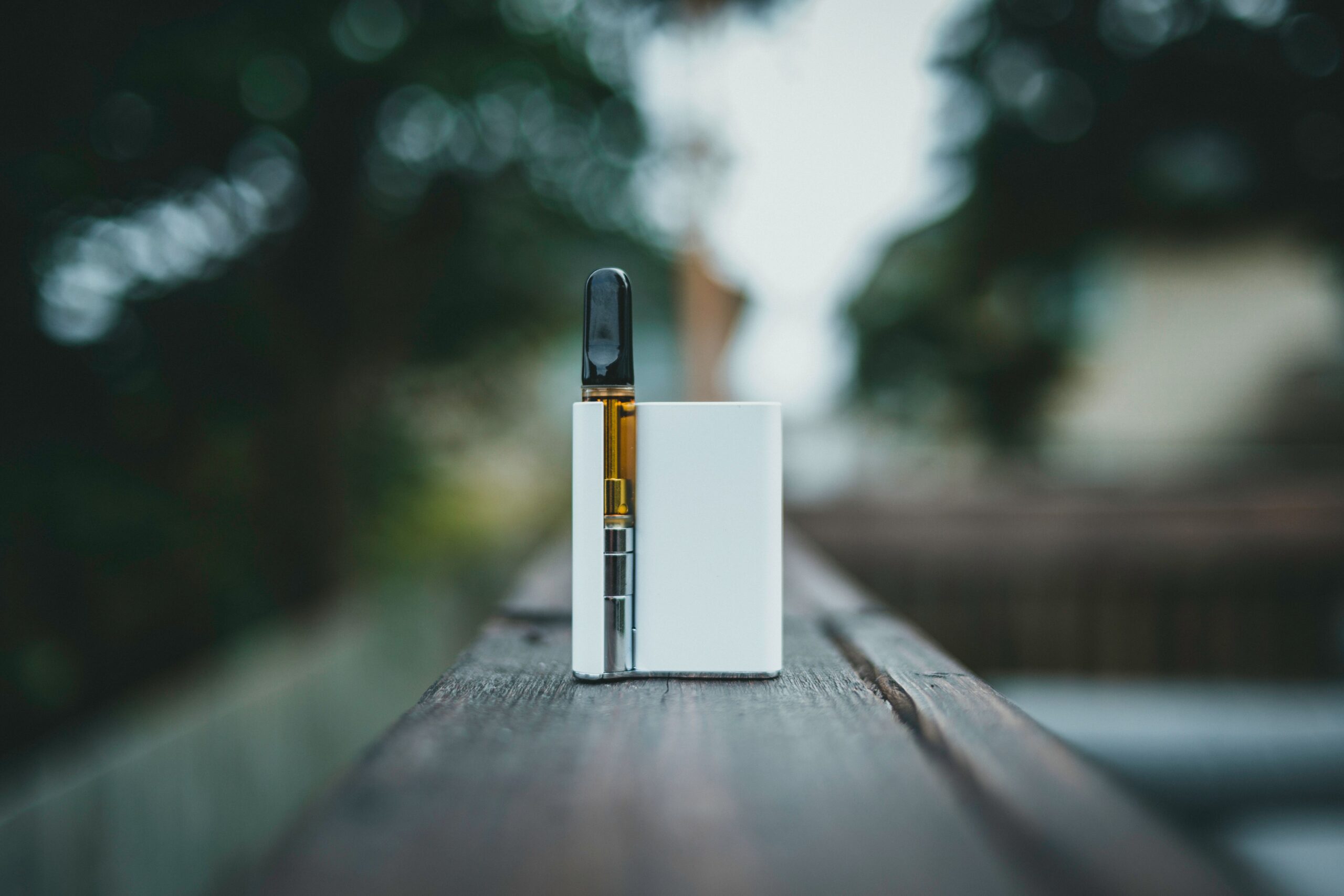
You’re on your phone comparing vape options near Jerome Avenue, perhaps while waiting for the train or heading home. One seller has a cheap cart ready right away. A licensed dispensary has regulated products that may seem more premium. On a map, both options can look equally convenient. They do not, however, come with the same level of information.State-mandated lab testing does not make vaping risk-free or guarantee a health outcome. What it provides is something a polished box, normal-looking oil, or low price cannot: a way to check who made the product, which batch it came from, and whether the cartridge was tested.

Among dispensaries in the Bronx, Bleu Leaf Dispensary on Jerome Avenue offers carts sold through New York’s licensed system. The system generates a traceable pathway that links the package to the manufacturer, batch documentation, laboratory findings, and the retailer. This is important because the cartridge contains the oil and the components that store and heat it. Appearance alone cannot confirm what the oil contains or how the finished cartridge was evaluated.

Key Takeaways

What’s Really Inside Unlicensed Corner Shop Vapes?

Professional branding, polished interiors, and an online map listing do not prove that a cannabis store is licensed. Gothamist reported in 2024 that shady cannabis shops in New York imitate the features that can make them appear legitimate.

Many of the problems associated with unlicensed vape carts involve the same stages New York’s production and testing requirements are designed to monitor: from cultivation and extraction to formulation and manufacturing, long before the oil reaches the cartridge.

Nasty Chemicals That Burn Your Throat

A harsh or chemical taste can signal that you should stop using a cart, but your throat cannot tell you what caused the sensation. Pesticide residues, leftover extraction solvents, product formulation, and excessive heat can all contribute to irritation.

Fake Thickeners and Lung Irritants

Undeclared diluents have been found in some illicit cannabis vaping fluids, where they may increase volume or alter the oil’s consistency. Ingredients including vitamin E acetate, MCT oil, polyethylene glycol, and castor oil were identified in unauthorized vape fluids during a New York State investigation.

Why the Metal Component in Cheap Vapes Matters?

When you take a pull from a vape cart, you are not drawing directly from a container of THC oil. A vape cartridge does three jobs at once: the reservoir stores the oil, the heating core warms it, and the central airway carries the aerosol to the mouthpiece. Every time you pull, the device draws oil toward the heater and sends the resulting aerosol through that internal path.

How Low-Grade Metal Leaks into Oil

Cannabis oil may sits inside a cartridge for days or weeks, remaining in contact with the materials that store and heat it. Cracking, corrosion, or manufacturing debris can create a route for material from the hardware to enter the oil.

Metal components inside a cartridge can release particles into cannabis vape oil and the aerosol it produces. A 2021 study detected chromium, copper, and nickel, along with smaller amounts of lead, manganese, and tin. Comparisons with non-cartridge heating methods pointed to the cartridge hardware as a source of some of those metals.

The quality of the heating wire, connector pins, and other internal parts therefore matters as much as the oil itself. A 2025 study added another warning sign: researchers found cracking on an unused connector pin. This suggests that damage to the hardware and the chance of metal coming off might even start during manufacturing or storage.

The Ceramic Core Difference at Bleu Leaf

dispensaries in the bronx, tested vape carts bronx, safe cannabis oil Jerome Ave, legal vape cartridges nyc

The big difference between a cheap cart and a tested one is what you can confirm about the oil's storage, heating, and tracing.

Feature Cheap or Untraceable Carts Selected State-Tested Carts at Bleu Leaf
Heating core It's tough to verify or find info on the coil, solder, and internal metals. Some Mfused ION carts have ceramic coils, and some Moondust vapes have ceramic heating plates.
What touches the oil The quality and composition of the metal parts, joints, and seals may be difficult to verify. The heating process involves ceramic, though metal contacts and resistance wire can still be present.
Flavor and hit Poor heat control or damaged hardware may contribute to a burnt, metallic, or unusually harsh pull. Part of the heating setup is made of ceramic. But it cannot guarantee a smooth hit or prove that the cart is contaminant-free.

The 5 Safety Checks Every Real Vape Must Pass

There are more than five tests in New York's complete cannabis rules. According to the New York State Office of Cannabis Management, licensed laboratories are required to test product lots for a range of contaminants. For vape products, separate heavy metal testing is conducted on both the bulk oil and each final cartridge form. The rules become simpler to grasp with the help of the five groups below.

dispensaries in the bronx, tested vape carts bronx, safe cannabis oil Jerome Ave, legal vape cartridges nyc
Safety Check What the Lab Looks For What May Be Unclear in an Untraceable Cart Why the Check Matters
Heavy metals Metals such as lead, nickel, cadmium, and copper Whether metals came from the oil, hardware, or manufacturing process Testing the finished cart gives a clearer result for the product you will use
Pesticides Crop sprays that may remain after growing and processing How the cannabis was grown and which chemicals were used Oil color, smell, and taste cannot show whether a tested batch met state limits
Mold and germs Mold, bacteria, and toxins made by some fungi The standards/rules during growing, drying, processing, and storage These problems may not change how the oil looks, so lab testing is needed
Leftover solvents Chemicals used to extract cannabis oil How the oil was processed and cleaned after extraction Testing checks whether too much solvent remained in the finished oil
Unlisted fillers Thickeners, diluents, or other ingredients that should not be in the formula Whether the ingredient list matches what was placed in the oil Thick or clear oil does not prove what is inside

How to Spot a Real Vape at Bleu Leaf in 4 Easy Steps

Lab testing only helps when you can connect the results to the exact vape in your hand. Start on Bleu Leaf’s online Vapes menu and note the brand, full product name, device type, and size. Whether you are shopping online or in person, you can use the New York State Dispensary Verification Tool to confirm the product’s legitimacy and match it to the official listing.

1. Find the New York Universal Symbol.

Check the outer package for New York’s three-part Universal Symbol:

It may appear in a square, vertical, or horizontal layout. Nearby, find the processor’s name and license number, the product size, THC percentage, ingredients, expiration date, and lot identifier.

2. Scan the Retail ID QR Code

Open your phone camera and scan the Retail ID QR code on the final package. New York uses this code within its Metrc seed-to-sale tracking system.

The code may open the product’s Certificate of Analysis, or COA, directly or lead to a page where the report is available. A generic brand homepage or menu page is not enough because it does not verify the exact lot or batch in your package.

3. Match the Product and Batch

Place the package beside the COA and compare the details line by line:

brand → full product name → vape form → size → processor → lot or batch number

The lot number on the package should match the Lot Unique Identifier or related batch information on the report. If a key field differs, do not assume the COA applies to that product.

Do not verify a vape by strain name alone. The same strain name may appear across different brands, products, sizes, and batches.

4. Review the results and recall status.

First, find the Report Status and confirm that the report is final. Then review the result columns. Each required section should show PASS or an equivalent passing status, with no result marked FAILED, incomplete, or out of specification.

Finally, compare the exact product and lot number with the New York State Office of Cannabis Management’s current recall notices.

Why Buying Legal Keeps Money in the Bronx

Purchasing from Bleu Leaf offers benefits beyond just a traceable product. By supporting this licensed Bronx establishment at 2034 Jerome Avenue, the sale remains within New York's regulated cannabis framework.

It means we've got a store that's easy to spot, product batches we can track, taxes are handled, and we know who to call if a vape has a problem or needs to be pulled. Your purchase goes to a local Bronx business instead of some sketchy seller.

Final Thoughts

No vape cart can guarantee lung safety. Even products from licensed dispensaries carry risks when heated and inhaled. State-mandated testing still matters because it reduces uncertainty and creates a traceable record.

Choose the more verifiable option: buy from a licensed retailer, match the package to its batch report, review the results, and keep the package and receipt.

Protect your pulmonary health with 100% verified vape products. Discover why state laboratory testing matters for Bronx consumers and reserve your clean vape order at Bleu Leaf Dispensary on Jerome Avenue today!

Frequently Asked Questions

How can I tell if a vape QR code is fake?

A real code leads to that exact batch's lab report. If it opens nothing, redirects oddly, or the batch doesn't match, treat the cart as unverified.

Coughing or headaches don't diagnose the cause. Stop using the cart, keep the package, contact Bleu Leaf within 48 hours, and seek care if symptoms persist.

Often, yes. That price difference pays for testing, a traceable batch, and a store you can actually go back to, not just a lower number at checkout.

Yes. Bronx delivery runs on a $50 minimum before tax. Enter your address on Bleu Leaf's site to confirm you're in the current delivery zone.

You can possess it under New York's limits, but vaping follows the same rules as smoking: no parks, near schools, in vehicles, or at outdoor dining areas.

Keep it upright and at room temperature, away from the sun and hot cars. In a shared apartment, a drawer or case keeps it out of sight and reach.

A crisp, eye-level product photograph featuring a small, clear glass beaker bong with the brand name 'GRAV' etched vertically down its neck. The pristine glass water pipe rests on top of a weathered, grey metallic post or fire hydrant in sharp focus in the foreground. In the softly blurred background sits a retro, single-story turquoise building featuring boarded-up wooden window panels and a yellow vintage sign under a bright sky. The sparkling clarity of the glass contrasts vividly against the colorful, urban backdrop.

Elevating Your Ritual: The Best Cannabis Accessories for Recreational Use in 2026

Introduction

Cannabis is no longer one thing for one kind of person. Professionals, creatives, retirees, athletes, and everyday New Yorkers are all part of the adult-use landscape in 2026. The way people approach their sessions is just as varied as who is having them.

The tools have changed dramatically. A decade ago, the options ranged from improvised household contraptions to hardware of genuinely questionable materials. The market looks completely different now. Non-toxic, medical-grade, and precision-engineered products have replaced a lot of what used to pass as acceptable.

The right accessory changes the experience in real ways – flavor, respiratory comfort, efficiency, and convenience all shift depending on what you are using. Bleu Leaf Dispensary at 2034 Jerome Avenue in the Bronx carries a curated lineup of non-toxic hardware built to get the most out of premium, lab-tested flower. This guide breaks down what to look for and why it matters.

Key Takeaways

The Anatomy of the 2 and 4-Piece Anodized Aluminum Grinder

The grinder is the first step in every session, and the material and configuration both affect what comes out the other side. Here is how each format is built and what it does.

The 4-Piece Grinder

  • Top grinding chamber: Two interlocking plates with sharp cutting teeth that shred flower into even, airy pieces.
  • Middle collection chamber: Where the ground flower settles after passing through the grinding teeth.
  • Pollen screen: A fine mesh that allows only the smallest trichome-rich particles to pass through.
  • Kief catch: A bottom chamber that accumulates concentrated trichome powder over time for later use.
  • Anodized aluminum finish: An electrochemical surface treatment that hardens the metal, seals it against corrosion, and makes the grinder far easier to clean than raw pot metal or plastic alternatives.

The 2-Piece Grinder

  • A single grinding chamber with no screen or kief catch: lighter, more compact, and simpler to operate.
  • Better suited for on-the-go use where portability matters more than trichome collection.
  • Produces a slightly coarser grind depending on tooth design – practical for rolling but less precise than a 4-piece.

How Grind Consistency Prevents Canoeing and Waste

The physics of combustion inside a joint or bowl is directly affected by airflow. Here is what happens when the grind is uneven.

  • A patchy, uneven grind creates inconsistent airflow pathways through the joint or bowl. Some areas burn faster than others because they receive more oxygen.
  • This is what causes canoeing where one side of a joint runs ahead of the other, wasting flower and producing uneven draws.
  • Diamond-shaped cutting teeth on quality grinders slice cleanly through bud rather than crushing it. Crushing ruptures trichome heads and bleeds off the aromatic oils before the session even starts.
  • A fine, uniform grind packs evenly, burns evenly, and extracts more efficiently – less waste per session.

Pure Engineering: Bongs and Pipes Built from Borosilicate Glass

A crisp, eye-level product photograph featuring a small, clear glass beaker bong with the brand name 'GRAV' etched vertically down its neck. The pristine glass water pipe rests on top of a weathered, grey metallic post or fire hydrant in sharp focus in the foreground. In the softly blurred background sits a retro, single-story turquoise building featuring boarded-up wooden window panels and a yellow vintage sign under a bright sky. The sparkling clarity of the glass contrasts vividly against the colorful, urban backdrop.

Here is what separates premium glass from what you find in unregulated smoke shops.

The Physical Advantages of True Borosilicate Formulation

Borosilicate glass, the same material used in laboratory equipment and medical devices, behaves differently from standard glass under heat and stress. Here is the science behind why it matters.

  • Borosilicate glass contains boron trioxide, which restructures its molecular composition to dramatically reduce thermal expansion. When heated rapidly and cooled, it does not crack or shatter the way standard glass does.
  • Cheap soda-lime glass, commonly used in unregulated smoke shop hardware, expands and contracts unevenly under heat. Over time, and sometimes immediately, it cracks, shatters during cleaning, or develops micro-fractures.
  • Soda-lime glass can also leach trace impurities into the water or vapor path when subjected to repeated high-heat cycles. Borosilicate does not.
  • Look for wall thickness between 5 mm and 9 mm as a baseline indicator of structural quality. Thin-walled pieces under 4mm break easily and are a sign of lower-grade production.
  • Bleu Leaf Dispensary carries borosilicate glass hardware selected for both material integrity and functional design.

Percolation and Water Filtration Mechanics

The engineering inside a quality water pipe is not decorative. Each percolator style serves a specific function. Here is what the filtration process actually does.

  • Hot smoke passing through water is cooled before it reaches the throat and lungs. Lower temperature draws are significantly less harsh on the airway.
  • Water filtration captures ash, tar particles, and larger combustion byproducts before they travel upstream. These are the particulates most associated with respiratory irritation from smoking.
  • Water filtration does not meaningfully strip cannabinoid content from the vapor path. The compounds responsible for the recreational experience are largely non-water-soluble and pass through the filtration intact.
  • Diffuser percolators break smoke into smaller bubbles, increasing the surface area in contact with water and improving both cooling and filtration efficiency.
  • Tree, honeycomb, and turbine percolators each achieve the same result through different designs, more contact between smoke and water equals a cooler, cleaner draw.

The Evolution of Consumption: Dry Herb Vaporizers and Smart Rigs

An atmospheric, sunlit photograph capturing a close-up of a person's hand holding a lit joint with a thin, delicate stream of smoke curling upward from its ash-covered tip. The hand is positioned over a wooden table spread with bohemian and creative essentials, including a dish holding a white sage smudge stick and Palo Santo wood. On the left, a lush, vibrant green fern catches bright natural light coming from a nearby window, while art supplies and a small crystal cluster are softly blurred in the background, creating a relaxed, creative studio environment.

Electronic vaporizers have become the format of choice for consumers who want to reduce combustion exposure while maintaining full access to the terpene and cannabinoid profile of premium flower. Here is how the technology works and what to look for in 2026.

Conduction vs. Convection Heating Technology

The heating method inside a dry herb vaporizer determines how the flower is processed and what the draw experience feels like. Here is how the two main approaches compare.

Heating Method Comparison

Feature

Conduction

Convection

Heating method

Direct contact with hot surface

Superheated air through the flower

Heat-up time

Fast (20-40 seconds)

Slightly longer (30-60 seconds)

Terpene preservation

Moderate – risk of hot spots

High – even heat distribution

Combustion risk

Higher without stirring

Very low

Best use case

Budget-friendly sessions

Flavor-focused and terpene-rich sessions

  • Conduction vaporizers heat flower through direct contact with a hot chamber wall, similar to a frying pan. They heat up quickly but can create hot spots that unevenly process the herb, increasing the risk of accidental combustion without regular stirring.
  • Convection vaporizers draw superheated air through the flower chamber only when you inhale, similar to an air fryer. The herb is never in contact with the heat source directly, which preserves terpene signatures and produces more efficient, even extraction.

Precision Temperature Controls and Terpene Preservation

Cannabinoids and terpenes do not all activate at the same temperature. Digital temperature control allows you to target specific compounds in your session. Here is how that works.

  • THC volatilizes at approximately 157 degrees Celsius (315F). Lower temperature settings produce lighter, more clear-headed effects with stronger flavor expression.
  • CBD volatilizes at approximately 160-180 degrees Celsius. Higher settings access a broader range of cannabinoids alongside heavier vapor production.
  • Terpenes like myrcene, limonene, and beta-caryophyllene each have distinct boiling points. Dialing in a lower temperature range protects these aromatic compounds and delivers a more nuanced flavor profile.
  • Vaporization at controlled temperatures below the combustion point of plant material reduces the production of combustion byproducts such as carbon monoxide, tar, and benzene, compounds associated with the harsh respiratory effects of traditional smoking.
  • Digital displays and app-connected devices allow you to set and hold specific temperatures with precision rather than relying on a fixed heat setting.

Accessories and Attachments

Modern dry herb vaporizers support a growing ecosystem of attachments that extend what the device can do. Here is what is worth knowing about.

  • Bubbler attachments: A water filtration chamber that connects to the mouthpiece and cools vapor before it reaches the throat, similar to the function of a bong but in a portable format.
  • Dosing capsules: Small stainless steel pods that hold pre-loaded, pre-ground herb. They keep the oven chamber clean, make session-to-session consistency easier, and speed up the reload process.
  • Water pipe adapters: Allow compatible dry herb vaporizers to connect directly to a standard borosilicate glass water pipe for a desktop-quality filtration experience from a portable device.
  • Aftermarket mouthpieces: Longer stems and wider-bore mouthpieces allow vapor to cool further before inhalation, reducing heat and harshness without any change to the draw itself.

The Connoisseur's Toolkit: Comparing Accessories by Use Case

Choosing the best cannabis accessories for recreational use comes down to your session style. Here is a quick reference guide across the main hardware categories.

Accessory

Best For

Flavor

Portability

Maintenance

2-piece aluminum grinder

On-the-go, minimalist

N/A

High

Very easy

4-piece aluminum grinder

Home sessions, kief collection

N/A

Medium

Easy

Borosilicate glass pipe

Classic combustion, flavor-forward

High

Medium

Regular ISO clean

Borosilicate water pipe/bong

Smoother draws, filtration

High

Low

Regular ISO clean

Convection dry herb vape

Terpene-forward, reduced combustion

Very high

High

Moderate

Smart e-rig (concentrates)

Concentrates, precision temp

Very high

Medium

Moderate

The Artisan's Essentials: Choosing Non-Toxic Rolling Papers​

Rolling papers are easy to overlook, but what the paper is made of and how it is processed affect every draw. Here is what to avoid and what to look for instead.

What to Avoid

  • Artificially bleached white papers rely on chlorine-based processing to achieve their color. That whitening process leaves behind chemical residues that combust alongside the paper.
  • Papers with chemical burn accelerators are treated to maintain an unnaturally slow or fast burn rate through additives rather than paper quality.
  • Ultra-thin papers made from synthetic or heavily processed wood pulp often burn unevenly and contribute a noticeable aftertaste.

What to Choose Instead

  • Unbleached organic hemp papers are derived from the same plant family and burn slowly and cleanly without chemical additives.
  • Rice papers are ultra-thin, slow-burning, and produce minimal ash – popular with consumers who prefer a neutral flavor experience.
  • Unrefined flax papers offer a natural brown finish and a smooth, even burn with no chemical processing.
  • Natural cellulose or unrefined wood pulp filter tips block loose plant debris from traveling into the throat and prevent hot, loose resin from reaching the lips. Explore the best luxury cannabis accessories available at Bleu Leaf Dispensary for a curated selection of premium rolling essentials.

The Importance of Maintenance

Hardware performance and hygiene both decline without regular cleaning. Here is what builds up inside unclean glass and how to address it properly.

Why Buildup Is a Problem

  • Resin and tar accumulation inside glass pieces creates a warm, moist environment where bacterial biofilms can develop.
  • Stagnant bong water is one of the fastest ways to introduce fungal spores, including Aspergillus, into a vapor path. Change bong water after every session.
  • Residue buildup also degrades flavor significantly. Resin from previous sessions alters the taste of fresh flower on every subsequent draw.

The ISO and Salt Cleaning Protocol

The most effective cleaning method for glass hardware uses two simple materials available at any pharmacy. Here is the process.

  • Use 91% to 99% isopropyl alcohol (ISO): higher concentration means faster and more complete resin dissolution.
  • Add coarse sea salt to the piece along with the ISO. The salt acts as a natural abrasive that scours the interior walls without scratching the glass.
  • Seal all openings, shake vigorously for 60 to 90 seconds, then let the solution soak in any heavily built-up sections.
  • Rinse thoroughly with warm water until all ISO and salt residue is fully flushed out.
  • Allow the piece to dry completely before the next session. Water left inside is not sterile and creates conditions for mold growth if the piece is stored sealed while damp.
  • For electronic vaporizers and e-rigs: do not submerge electronic components. Use ISO-dampened cotton swabs to clean the oven chamber, mouthpiece, and vapor path only. Consult the device manual before applying any cleaning solution near heating elements.

Final Thoughts

The quality of your setup affects the quality of every session. Premium, lab-tested flower deserves hardware built to the same standard – not cheap plastics, soda-lime glass, or chemically processed papers that add unwanted compounds to every draw.

Understanding what each accessory does and why the materials matter puts you in a better position to make decisions that work for your routine. Keep your hardware clean, store your flower properly, and keep all products secured away from minors.

Before your next session, stop by Bleu Leaf Dispensary at 2034 Jerome Avenue in the Bronx or browse the real-time online menu for premium accessories, rolling papers, and lab-tested hardware available for in-store pickup or direct Bronx home delivery.

Elevating your consumption setup requires pairing the finest state-certified New York flower with tools built to perform. Don’t ruin top-shelf genetics with cheap, toxic plastics or sub-par gear. Before you map out your next weekend session, visit Bleu Leaf Dispensary at 2034 Jerome Avenue in the Bronx to secure your essentials. Explore our real-time online menu to order premium accessories, rolling papers, and lab-tested hardware for seamless in-store pickup or direct Bronx home delivery today!

Frequently Asked Questions

Why should I choose a 4-piece grinder over breaking up flower with my hands?

Breaking up flower by hand crushes trichome heads and transfers aromatic oils directly onto your fingers, reducing potency and flavor before the session starts. A 4-piece anodized aluminum grinder produces a consistent, airy grind that burns evenly, prevents canoeing, and collects kief in a separate bottom chamber for later use.

Borosilicate glass contains boron trioxide, which makes it highly resistant to thermal shock: it does not crack or shatter when heated and cooled rapidly. Cheap soda-lime glass expands unevenly under heat, develops micro-fractures over time, and can leach trace impurities into the vapor path. Look for wall thickness between 5mm and 9mm as a baseline quality indicator.

For glass components, mouthpieces, and vapor path sections, 91% to 99% isopropyl alcohol is effective and safe. Do not submerge or apply ISO directly to electronic components, heating elements, or battery housings. Use ISO-dampened cotton swabs for the oven chamber and vapor path, and consult your device manual for component-specific guidance.

Unbleached organic hemp, rice, and unrefined flax papers are the cleanest options available. Avoid artificially whitened papers processed with chlorine or papers that use chemical burn accelerators to control burn rate. Natural cellulose or unrefined wood pulp filter tips add an additional layer of protection by blocking resin and loose debris.

No, not in any meaningful way. Cannabinoids, including THC, are largely non-water-soluble, meaning they do not bind to water as the vapor passes through. Water filtration captures ash, tar, and larger combustion particulates while allowing the active compounds to pass

Under the New York cannabis public consumption law, vaping cannabis in public is subject to the same restrictions as smoking. Consumption is prohibited indoors in public spaces, in vehicles, and anywhere tobacco smoking is banned. Most public parks and municipal spaces have additional local restrictions. Dry herb vaporizers and smart rigs are best suited for private residential settings. Always confirm local ordinances before consuming outside the home.

Convection dry herb vaporizers typically produce a cooler, smoother draw than traditional combustion because the flower is never burned, it is heated to the point of vaporization without ignition. Adding a bubbler attachment or water pipe adapter cools the vapor further. At lower temperature settings, the draw is notably lighter than standard combustion through a dry pipe.

A daytime, eye-level photograph of an official green municipal road sign welcoming visitors to New York City. The rectangular sign features bold white text that reads 'Welcome to the Bronx,' flanked by two circular official seals in the upper corners. Below a white dividing line, the sign lists the city's leadership, reading 'Mayor Eric Adams' and 'Boro Pres Vanessa L Gibson.' The sign is mounted on two perforated metal posts. In the background, multi-story brick apartment buildings and urban residential structures stand beneath a soft, overcast sky.

Why Lab–Tested Legal Cannabis Matters in the Bronx | Bleu Leaf Dispensary

Introduction

Search for legal cannabis near me in the Bronx, and you will get hundreds of results. Smoke shops, bodegas, pop–up tables, storefronts with green crosses and leaf logos. Most of them are not licensed dispensaries.

The difference between a state–licensed retailer and an illicit shop is not just paperwork. It is independent lab testing, contaminant screening, and oversight by the New York State Office of Cannabis Management (OCM). From Mott Haven to the Concourse to Riverdale, Bronx consumers deserve products that have actually been verified before they reach the shelf.

Key Takeaways

The Invisible Danger: What's Hiding in Unregulated Street Products?

A close-up, high-angle photograph capturing a scientific or microbiology procedure. In the sharp foreground, a translucent blue plastic inoculation loop tool is held suspended over a Petri dish. The circular loop at the tip of the tool is perfectly in focus, showing minuscule particles or droplets inside the ring. Below it, the blurred Petri dish contains a textured, green and teal agar growth medium, illustrating a laboratory setting used for bacterial culturing, cellular research, or biotechnology testing.

The illicit cannabis market is not just unregulated, it is completely unmonitored. No third–party lab, no state inspector, no certificate of analysis. Here is what that means for the products being sold across the Bronx.

  • Illicit sellers have no legal obligation to test for safety, what is in the product is unknown until it causes a problem.
  • Growing cannabis quickly and cheaply to maximize profit often means using chemicals that would fail a state safety review.
  • The plants can look identical to legal flower. The smell can be similar. The risk is invisible.

Contaminants, Mold, and Dangerous Microbials

Cannabis is an agricultural product, and agriculture carries biological risk. Without mandatory testing protocols, harmful organisms end up in the final product. Here is what turns up in unregulated samples.

  • Salmonella and E. coli have both been identified in unregulated cannabis in independent studies.
  • Powdery mildew is one of the most common cannabis crop threats – and it does not disappear during the curing process.
  • For anyone with a compromised immune system, respiratory condition, or lung sensitivity, inhaling contaminated flower is a real health concern.
  • A 2023 study in Clinical Microbiology and Infection identified pathogenic bacteria and fungi in unregulated cannabis, organisms that OCM required lab testing would catch and reject before sale.

Heavy Metals and Toxic Residual Pesticides

Cannabis is a bioaccumulator: It pulls compounds from its growing medium with unusual efficiency. Researchers have even studied it as a soil remediation tool. That same quality makes it absorb whatever contaminants are in the environment. Here is what that looks like in practice.

  • Heavy metals, including lead, cadmium, arsenic, and mercury, can be present in cannabis grown in contaminated soil.
  • Integrated pest management is standard in commercial growing, and not every pesticide used is safe when heated and inhaled.
  • Legal cannabis in New York is tested against OCM pesticide residue limits before sale. Illicit market products skip this entirely.
  • Research from the Journal of Toxicology found measurable heavy metal contamination in unregulated cannabis samples, with lead and cadmium appearing most frequently.

Reading the COA

Every legal cannabis product sold at a licensed dispensary comes with a Certificate of Analysis. Think of it as a birth certificate for the product, it records where it was tested, what was found, and whether it passed. You do not need to be a scientist to use it.

  • Scan the QR code on the package and the COA opens directly on your phone.
  • Look for the word PASS next to each testing category, that tells you the product cleared the lab’s safety thresholds.
  • COAs are issued by accredited third–party labs, not the producer, so the results are independent.
  • If a product has no QR code and no COA, it has not been through state–required testing.

Real Cannabinoids vs. Synthetic Boosters

Some illicit producers spray synthetic compounds onto flower to make it appear more potent on informal tests. These are not natural cannabinoids, they are chemical additives designed to show inflated numbers. Here is what sets them apart.

  • Natural cannabinoids interact with the body in ways that decades of research have documented.
  • Synthetic compounds behave differently, and consumers have reported adverse responses including severe headaches and unpredictable reactions.
  • A COA from an accredited lab will flag synthetic compounds. Illicit products have no such check in place.

Dosing Accuracy in Infused Products

Legal edible production in New York follows tight manufacturing standards. Each unit in a batch must contain a consistent, accurately labeled amount. Here is how that compares to what illicit edibles go through.

  • Licensed producers submit samples for potency testing, and products that do not meet labeled amounts do not reach dispensary shelves.
  • The mixing process is critical when making infused products. An uneven blend before pouring into molds creates what manufacturers call hot spots.
  • One piece from an illicit edible bag could have a very different cannabinoid content than the next, making it difficult to gauge an appropriate amount.

Where to Find Legal Cannabis in the Bronx

The OCM makes it easy to verify whether a dispensary is state–licensed before you walk in. Here is what to look for.

  • Visit cannabis.ny.gov and use the public verification tool to confirm any dispensary’s license status.
  • Licensed retailers are required to display an official OCM retail sticker in a visible location at the storefront.
  • Search any address or business name using the OCM Licensee Search Tool before making a trip.
An extreme close-up, high-detail photograph capturing a cannabis quality control or laboratory inspection process. In the center, a dense, vibrant green cannabis flower bud is held horizontally by a pair of silver metal tweezers. The bud reveals intricate structural details, heavily coated in frosty, glittering trichomes and interwoven with long, curly orange pistils. Positioned directly above the flower is a curved, beige inspection lamp or magnifier labeled with a black logo reading 'LITE MITE' and text for 'Stocker & Yale, Inc.' alongside a small American flag. The clean, brightly backlit setting emphasizes scientific testing, compliance, and botanical analysis.

The Bronx Community

Choosing a licensed dispensary is not only a personal safety decision. Every purchase from a legal retailer contributes to something the illicit market never will. Here are the core community benefits of supporting legal adult-use retail in the Bronx.

  • Tax revenue from licensed adult-use sales is legally required to fund NYC public schools and community grants.
  • Social equity operators (license holders with direct ties to communities like Mott Haven, the Concourse, and the South Bronx) receive prioritized support under New York State cannabis law.
  • Legal retailers hire locally and pay fair wages under employment law. Workers in illicit shops have no protections, benefits, or legal recourse.
  • Licensed dispensaries are prohibited from selling to anyone under 21, with strict age verification required at every transaction.
  • Supporting licensed retail reduces foot traffic to illicit sellers operating near schools and parks.
  • Riverdale to Mott Haven, community programs and local infrastructure benefit from a regulated market that is accountable to the neighborhoods it serves.

Final Thoughts

The Bronx has been handed a lot of products over the years that nobody tested. Legal cannabis is different. Every product on a licensed dispensary shelf has cleared a laboratory, passed OCM standards, and arrived with documentation you can verify yourself with a phone scan.

That is not a small thing for a community that deserves better. Choose a licensed retailer, protect your own health, and put your money into something that comes back to the neighborhood. Keep products away from minors and support what is actually working for the Bronx.

Protect your health. Support your community. Browse our fully verified menu at Bleu Leaf Dispensary and place your express pickup order today.

Frequently Asked Questions

How do I know if the legal cannabis near me is actually lab-tested?

Look for the OCM-licensed dispensary sticker on the storefront and verify the retailer at cannabis.ny.gov. Every product sold at a licensed dispensary must come with a Certificate of Analysis you can access by scanning the QR code on the package. If there is no COA and no OCM sticker, the product has not been through state–required testing.

It cannot be sold. Products that fail testing for contaminants, heavy metals, pesticides, or potency accuracy are rejected before reaching retail shelves. The OCM requires testing at accredited third-party labs, and a failed result means the batch does not move forward.

Yes. Selling cannabis without an OCM license is illegal in New York State. Enforcement actions can include fines, product seizure, and business penalties. The OCM and local authorities have conducted operations targeting unlicensed sellers across the five boroughs, including the Bronx.

Testing is part of the cost of legal production, and licensed products carry a regulated market price. What you are paying for includes verified safety, accurate labeling, and accountability from cultivator to shelf. Illicit products may appear cheaper, but an unverified product carries its own costs.

Yes. The Certificate of Analysis for any licensed product is accessible by scanning the QR code on the packaging. It shows the specific batch, the lab that tested it, and results for each testing category. Some dispensaries also make COAs available on their menu pages.

Consistency in infused edibles depends on even mixing and accurate portioning during production. Without the manufacturing standards required of licensed producers, illicit edibles often have uneven cannabinoid distribution throughout the batch. One piece may contain a significantly different amount than the next.

Bleu Leaf Dispensary

Check Delivery Availability

STORE HOURS

Delivery Hours

+1 (800) 353-2538

Check Delivery Availability